Internal Funding Opportunity
Technology Advancement Program
Internal Funding Opportunity

The SickKids Technology Advancement Program (TAP) advances late-stage pre-clinical health care innovations through project funding, structured advice, project governance, and strategic networking opportunities.
Bring your innovation to the next level.
The SickKids Technology Advancement Program (TAP) is an initiative led by the Industry Partnerships & Commercialization (IP&C) office to advance late-stage pre-clinical health care innovations through project funding, structured advice, project governance, and strategic networking opportunities. TAP strengthens IP&C’s ability to develop and de-risk SickKids innovations beyond basic proof-of-principle.
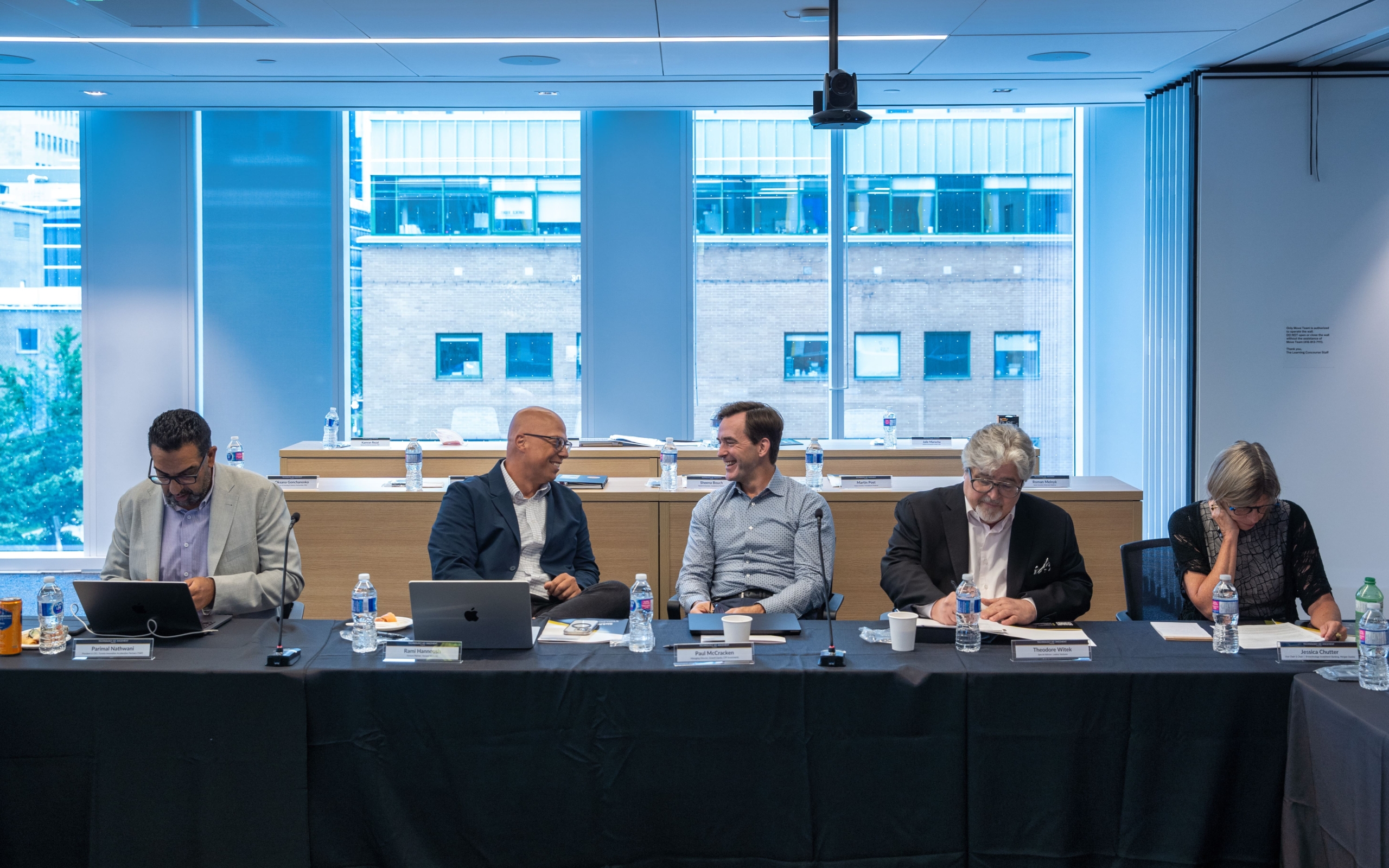
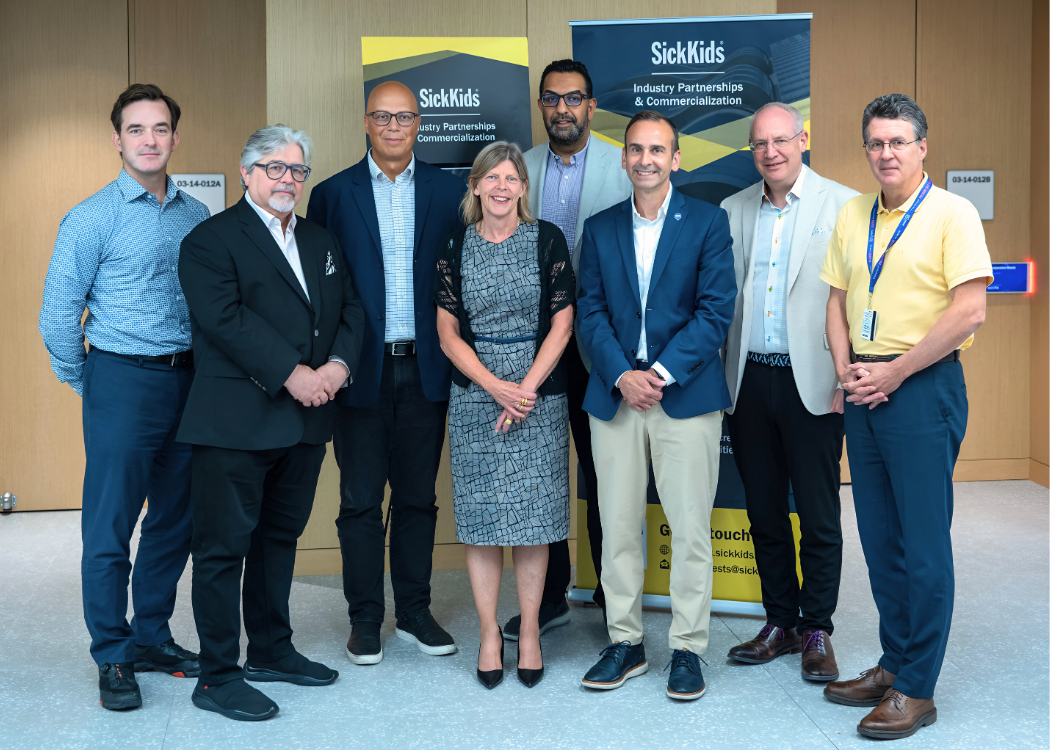
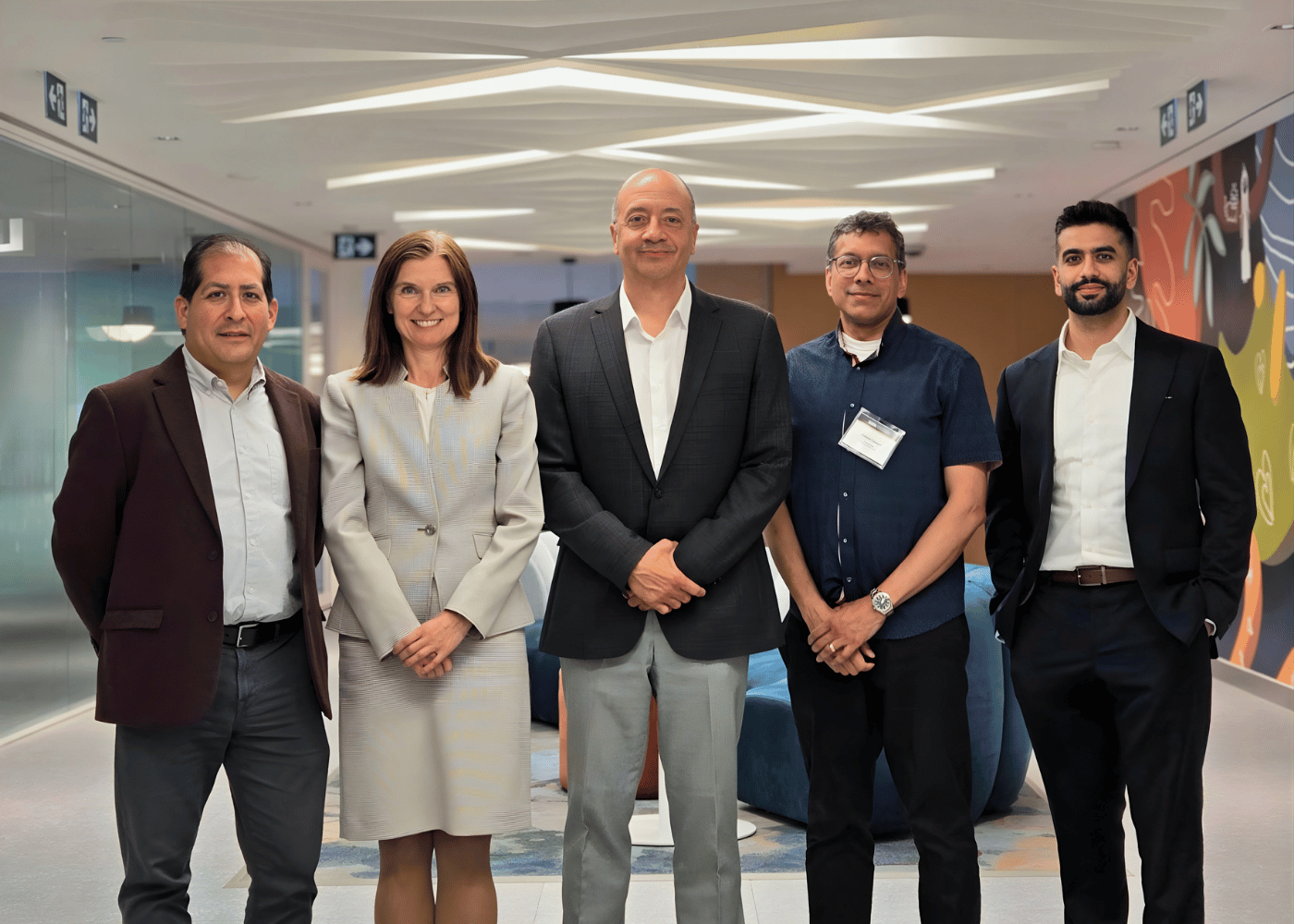
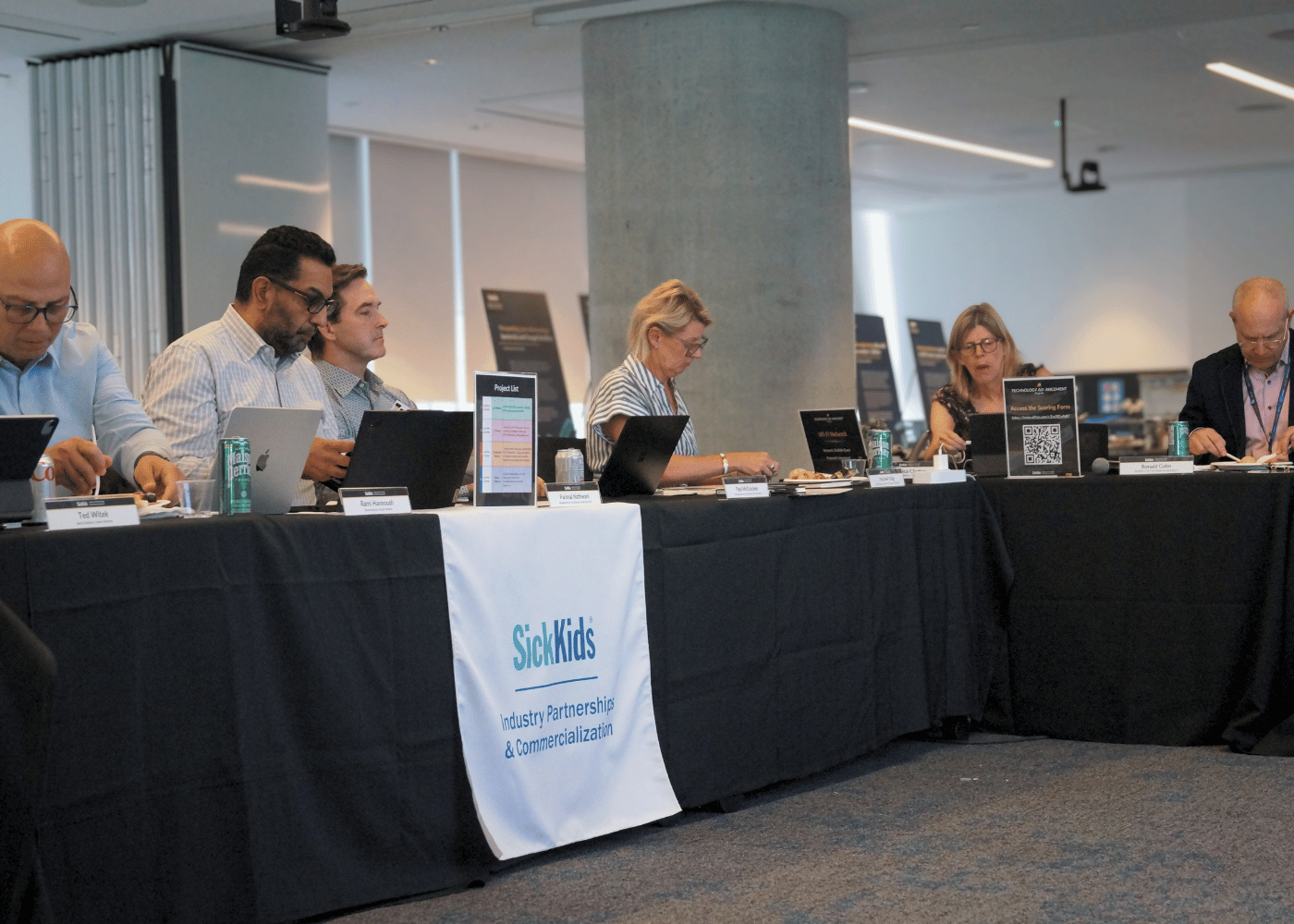
This initiative is supported by the SickKids Commercialization Advisory Board (CAB), a panel of experienced commercialization and investment professionals who provide tailored feedback and guidance to help refine each project’s pathway to impact. The CAB selects projects to receive up to $350,000 in funding to facilitate proposed de-risking and commercialization activities.
Technology Advancement Program
Program Information
Technology Advancement Program Funding Recipients
| Year | Award | Principal Investigator | Project Title | Classification |
|---|---|---|---|---|
| 2025 | $350,000 | Dr. Roman Melnyk | Development of a first-in-class anti-toxin therapeutic for Clostridioides difficile | Therapeutic |
| 2026 | $150,000 | Dr. Robert Siddaway | Clinical Implementation of DNA methylation analysis for neurodevelopmental disorder diagnostics | Diagnostic |
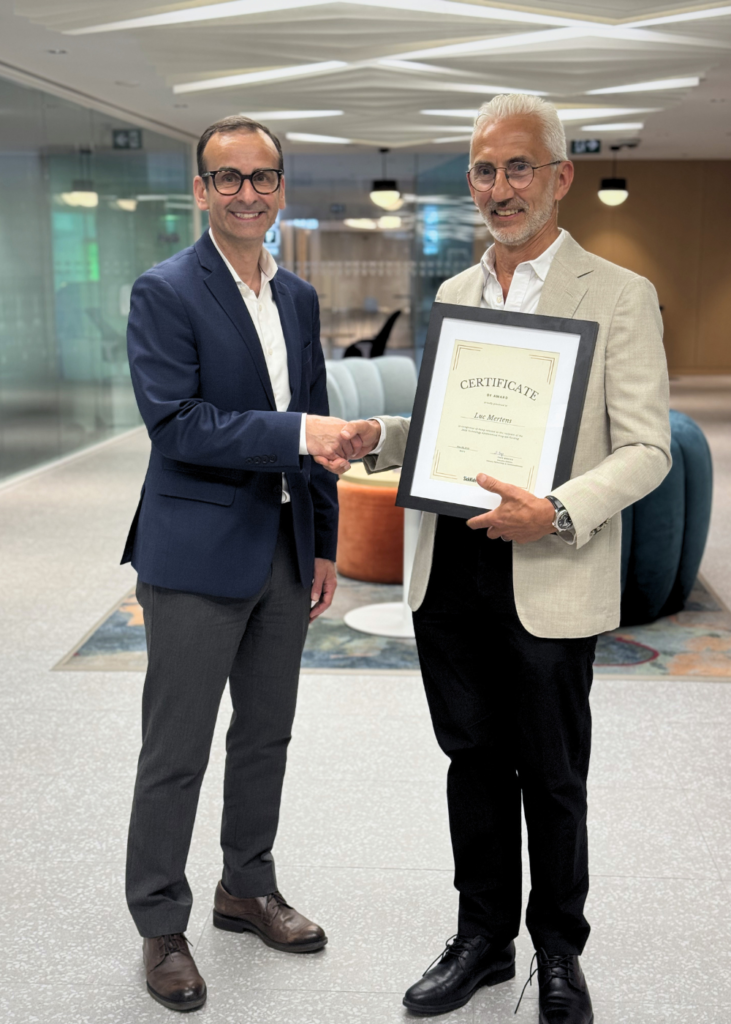
| 2026 | $150,000 | Dr. Luc Mertens | PACE Health: Fast, Automatic, Pediatric Echocardiography Annotation | Software |
| TOTAL | $650,000 |
Past Programming
2026 Technology Advancement Program
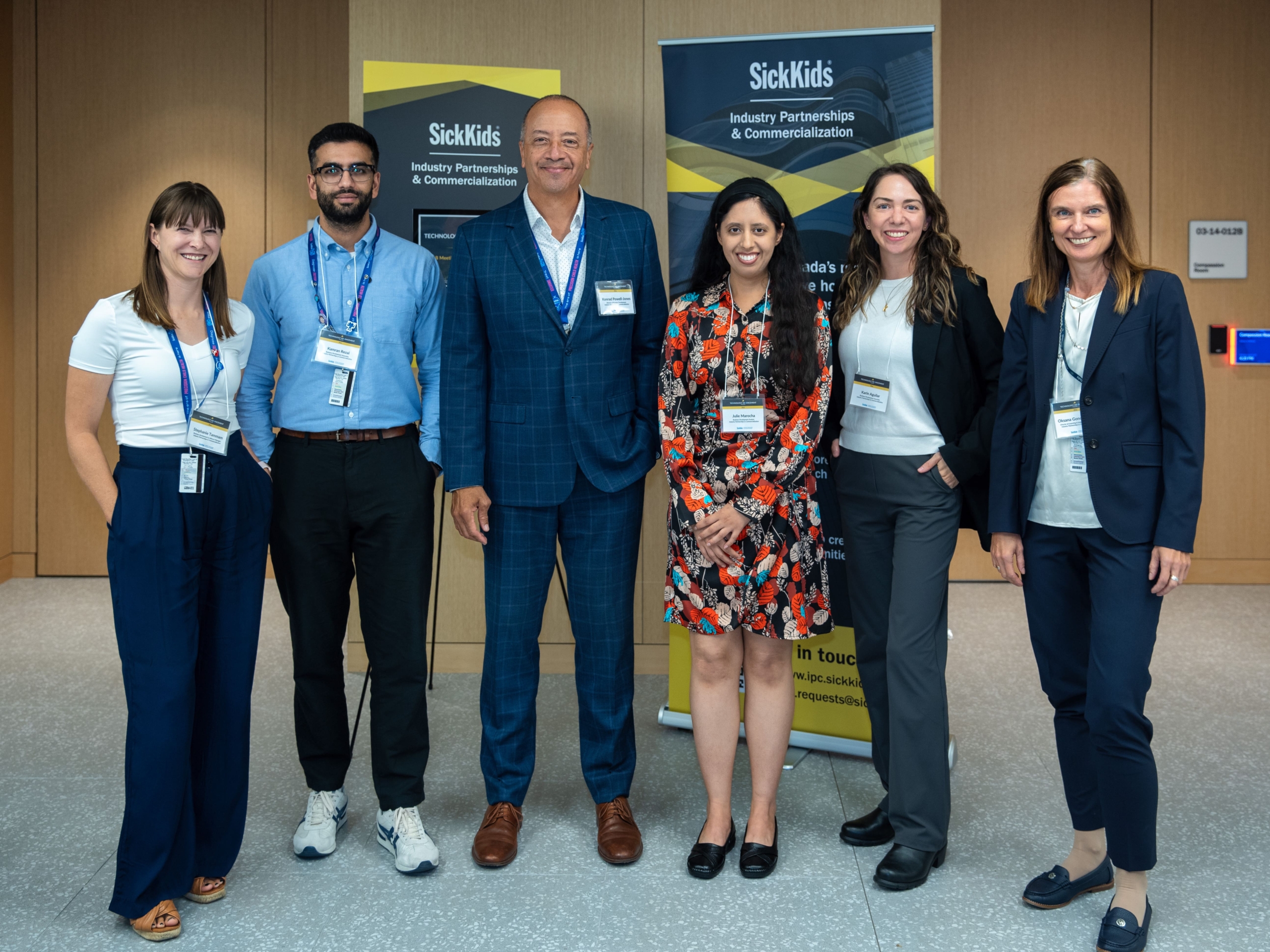
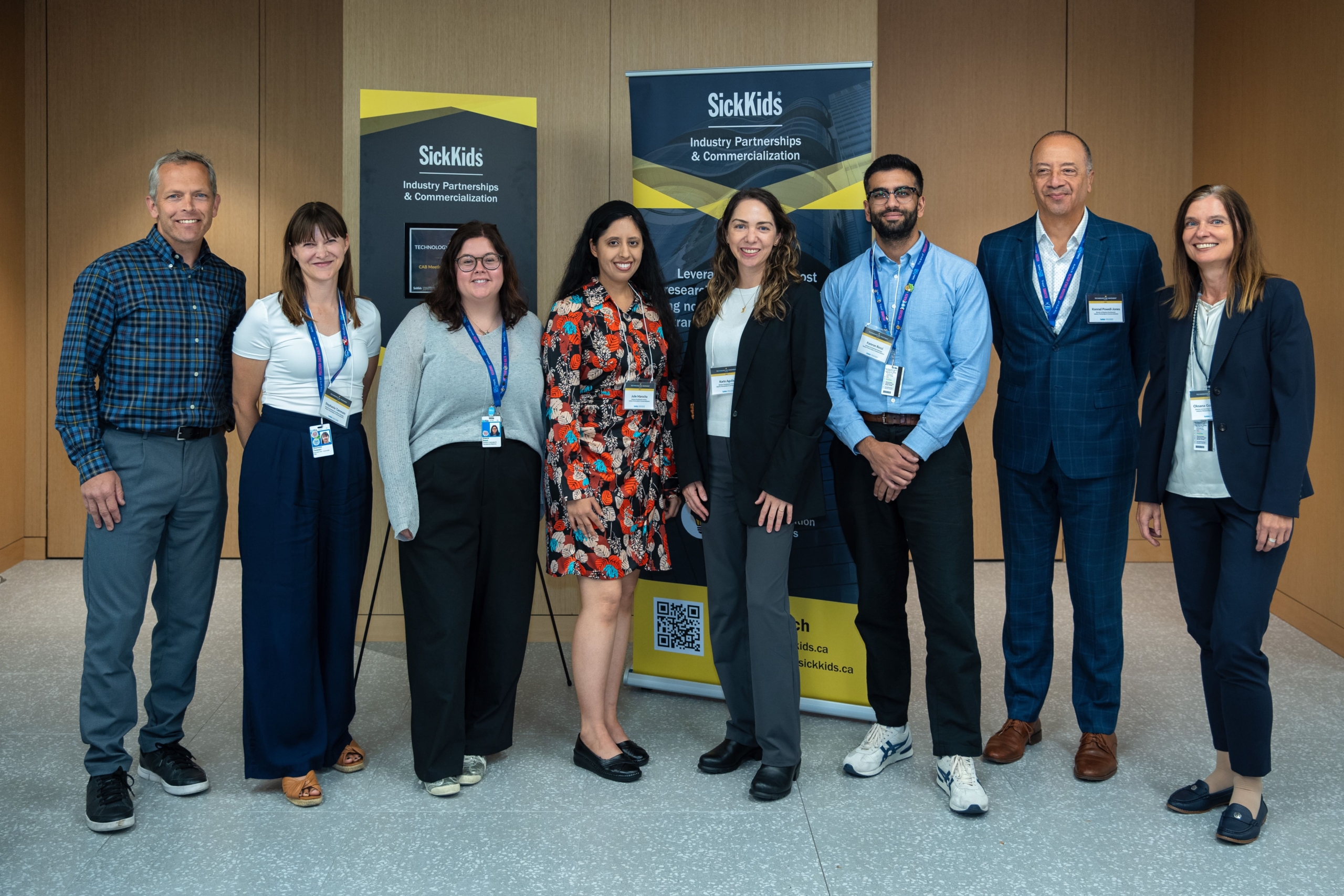
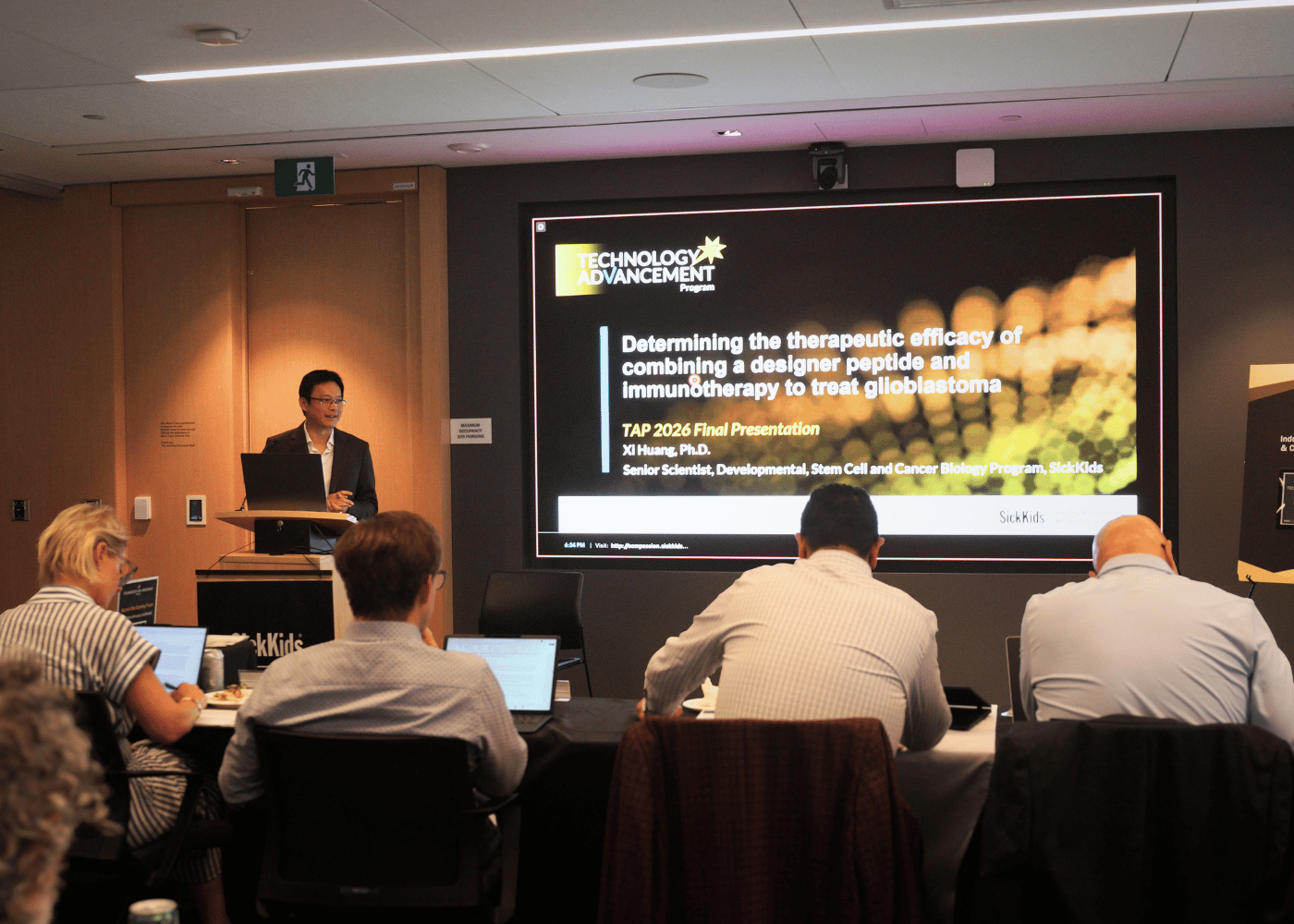
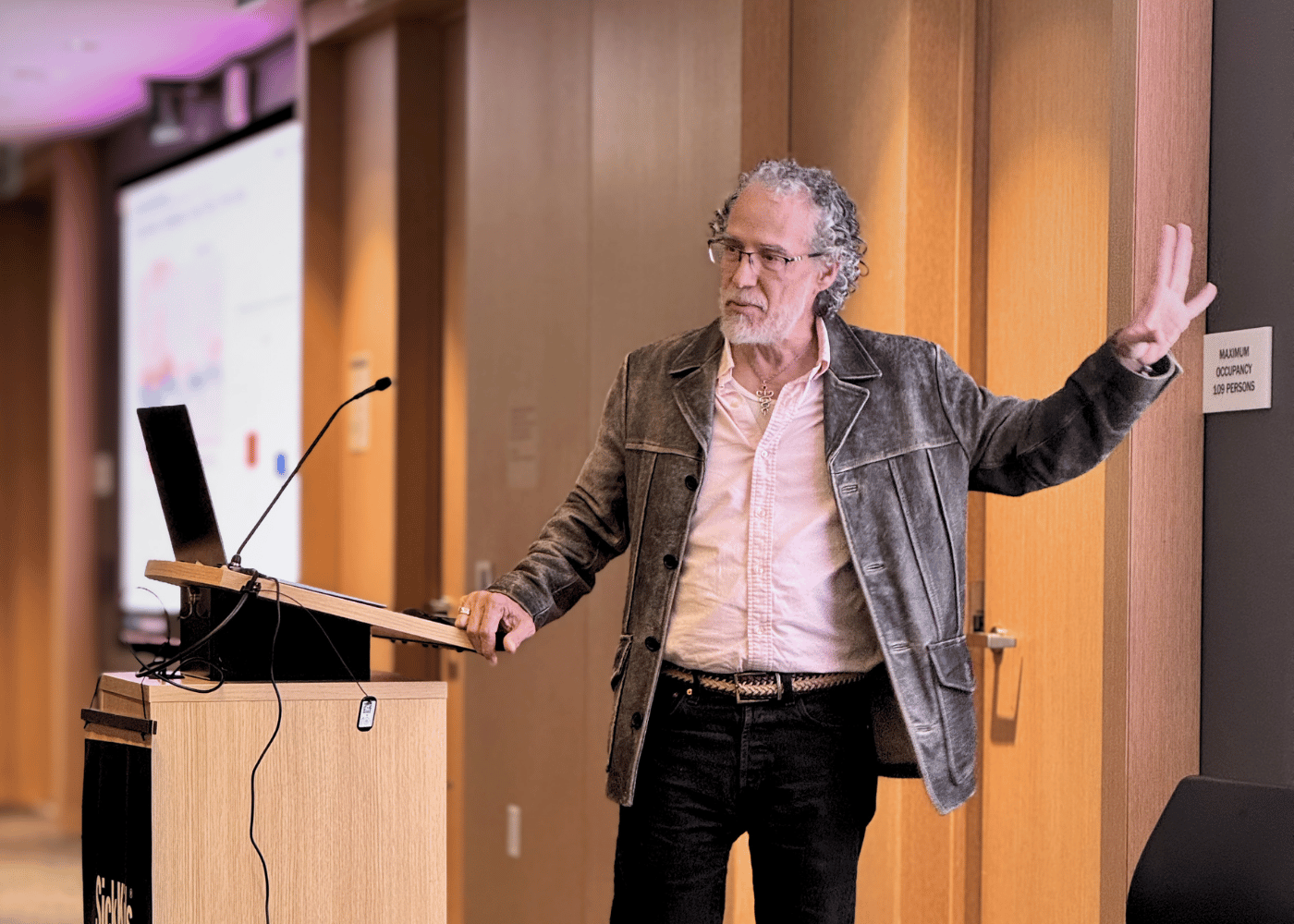
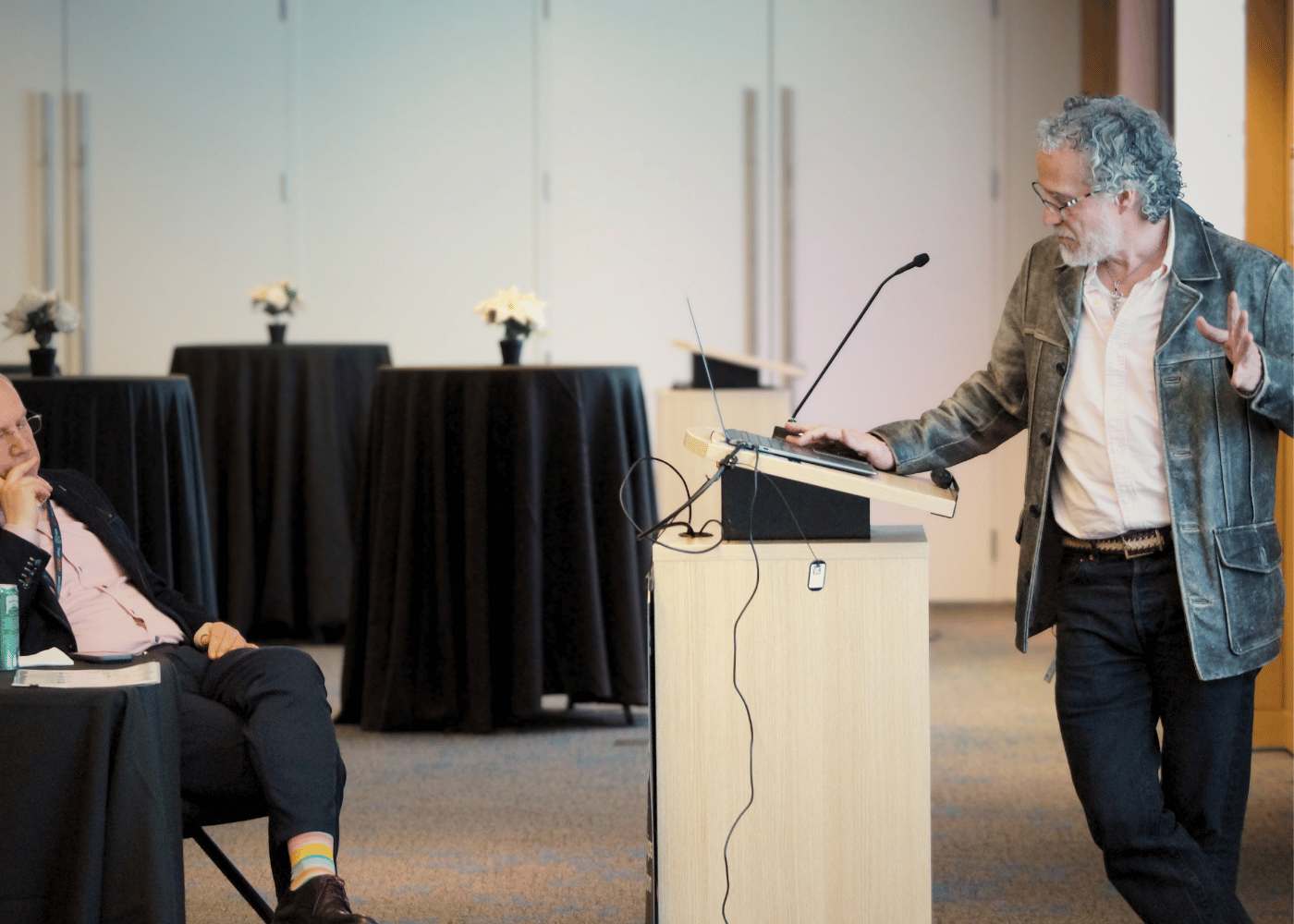
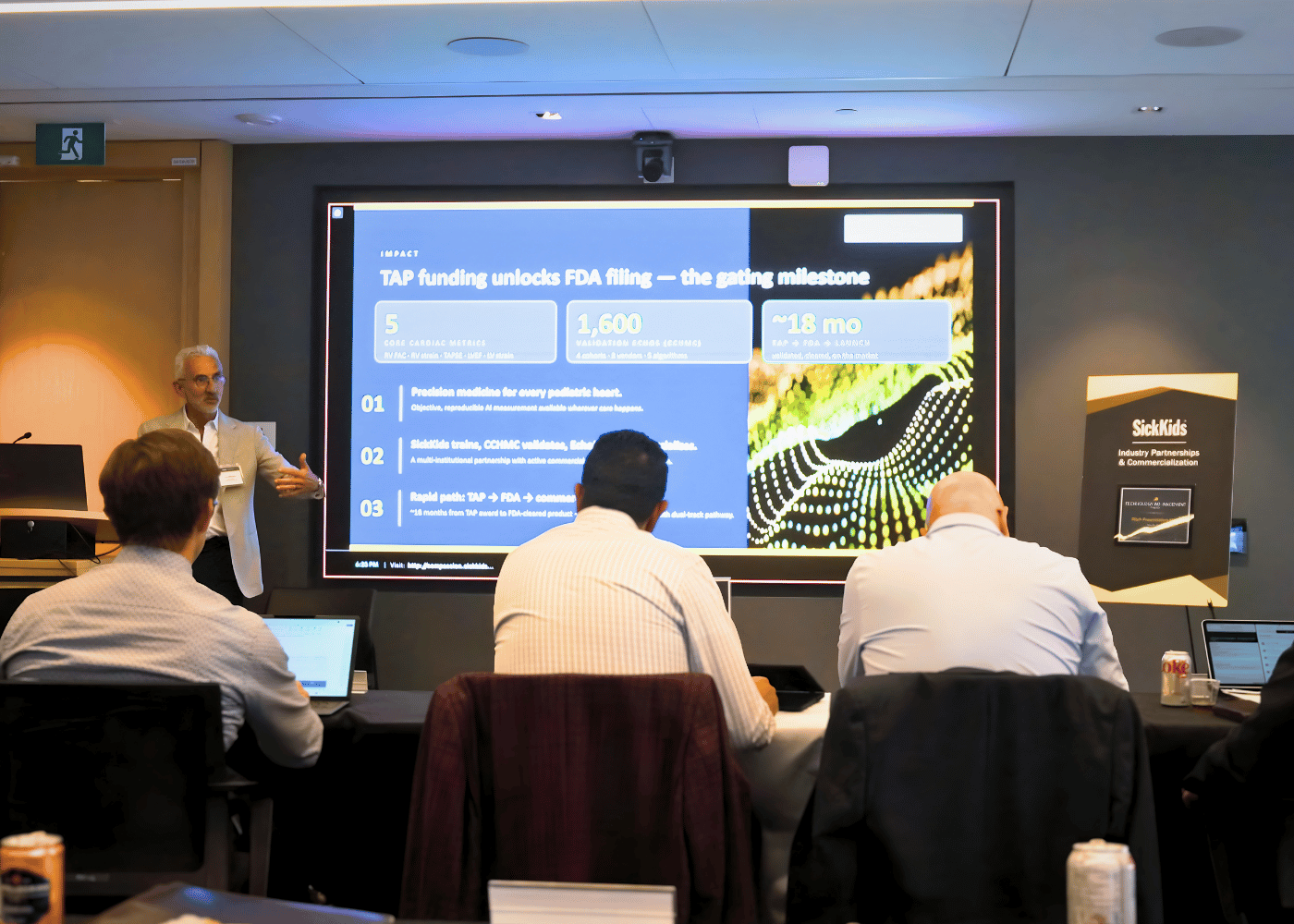
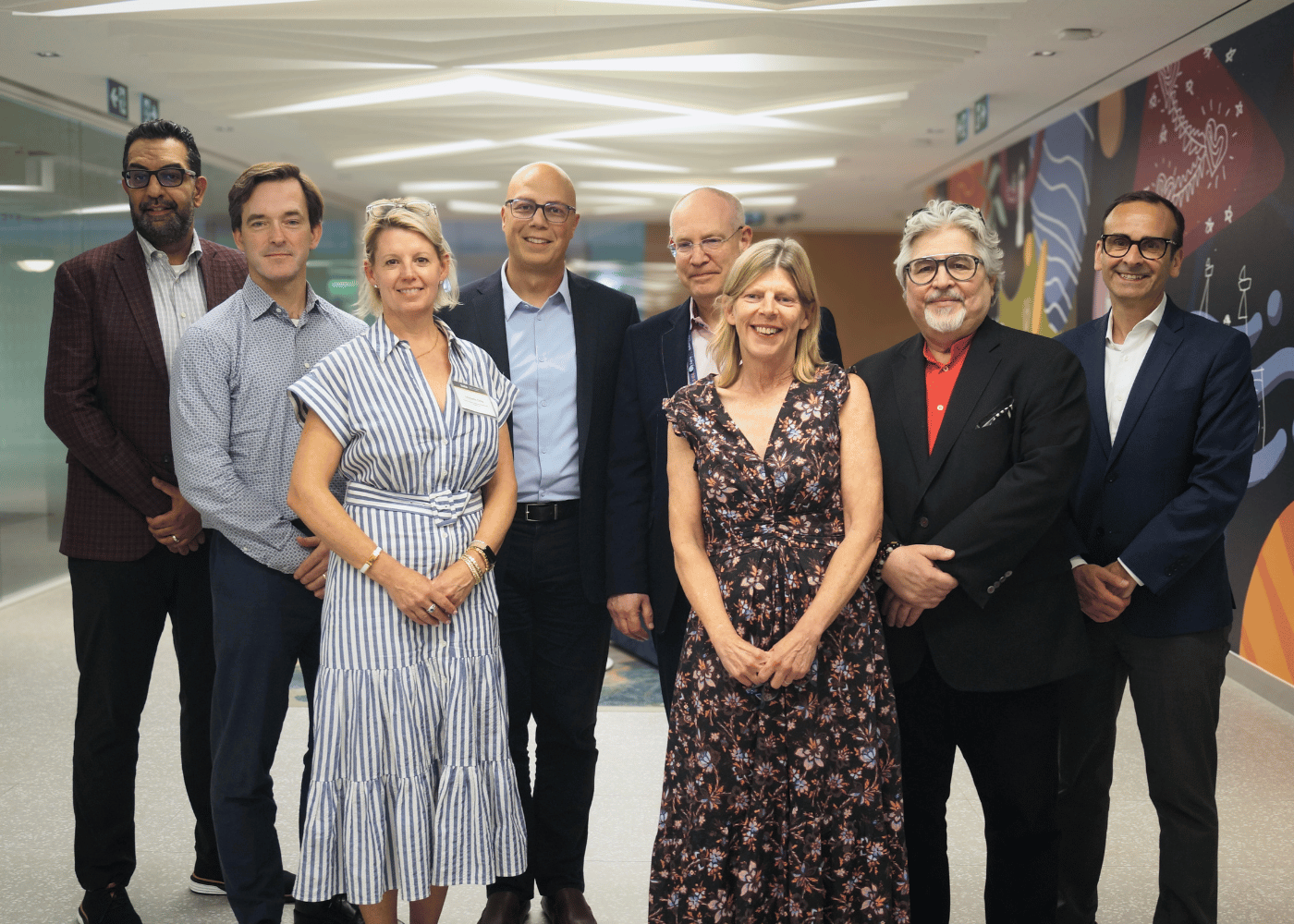
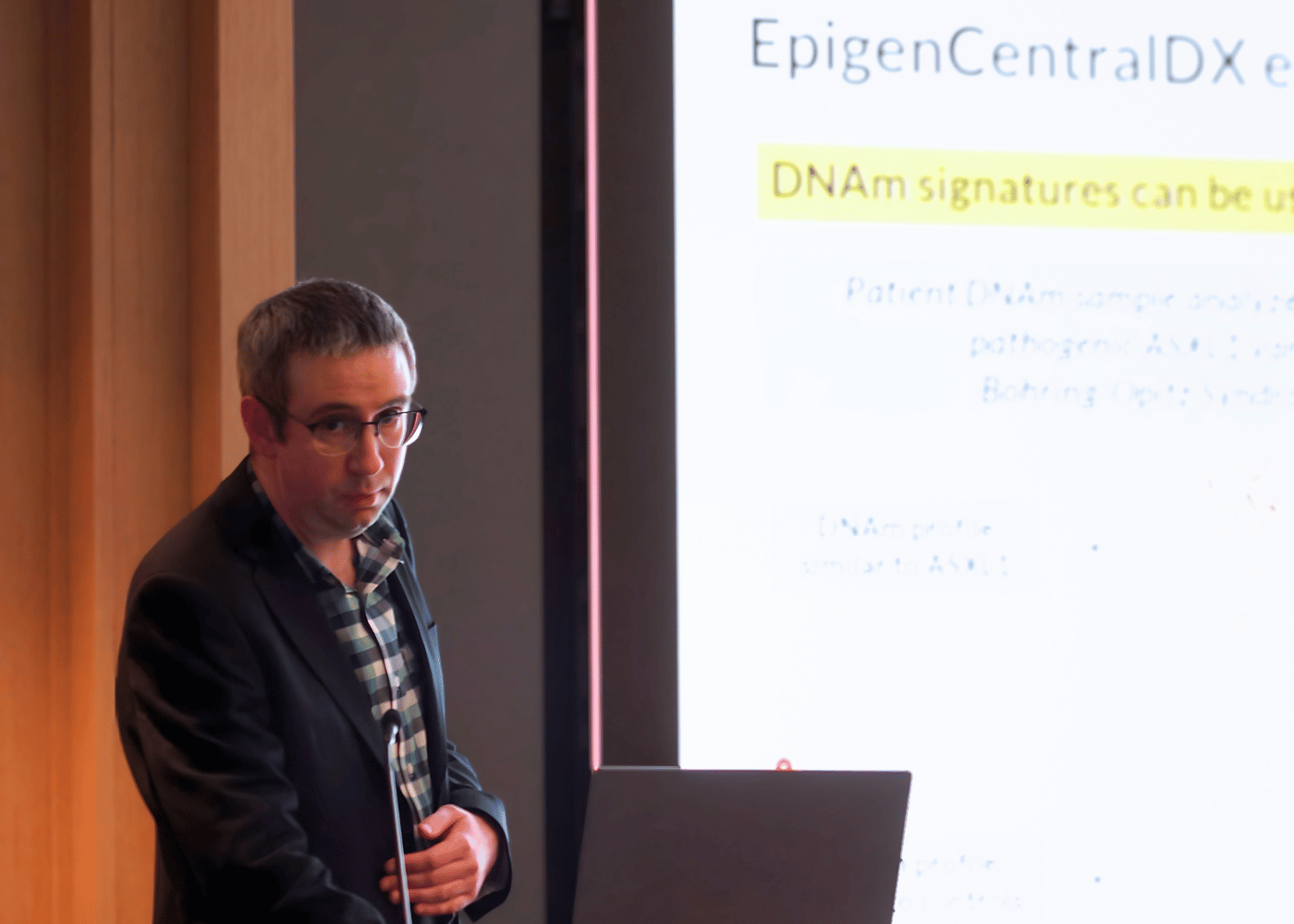
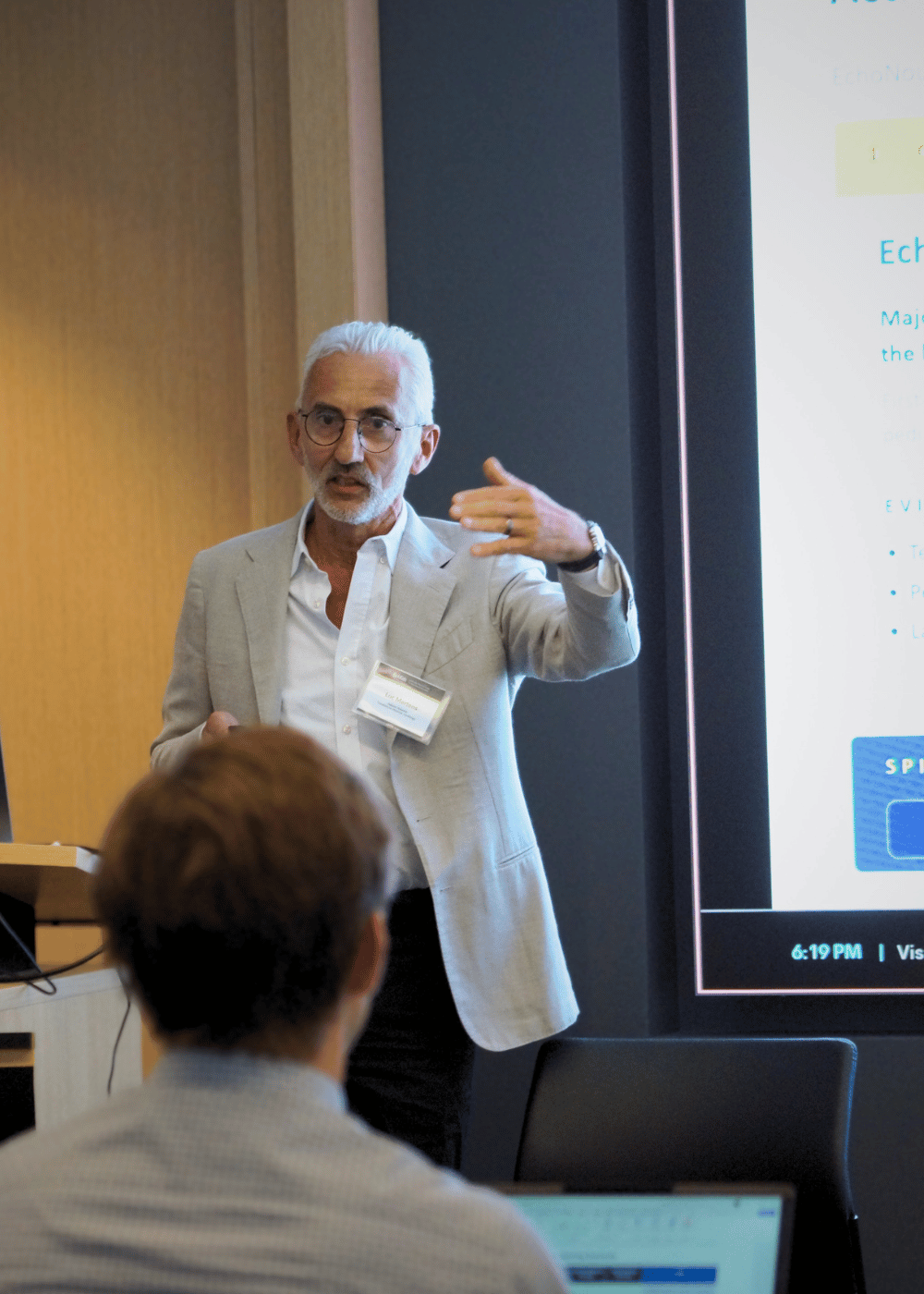
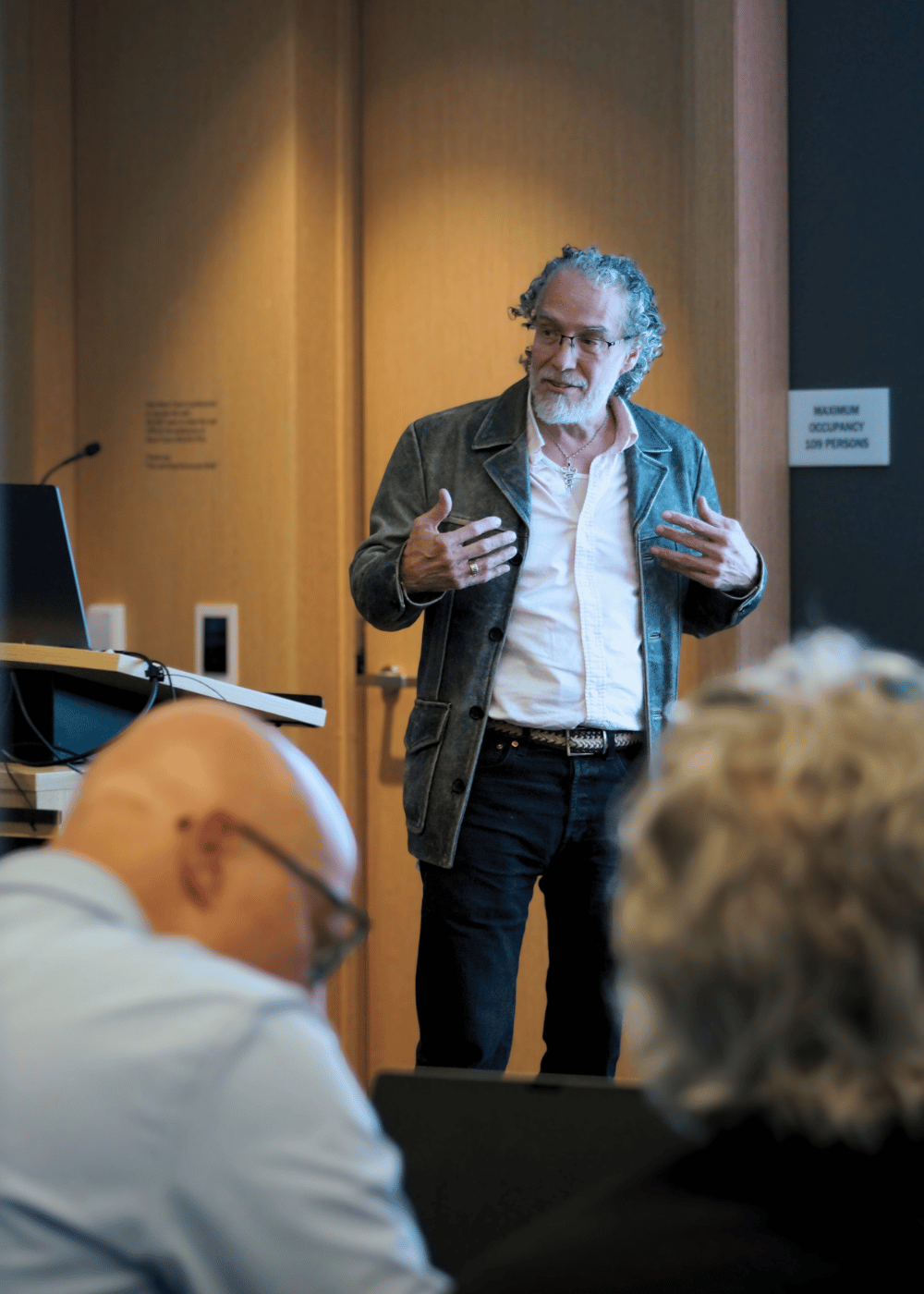
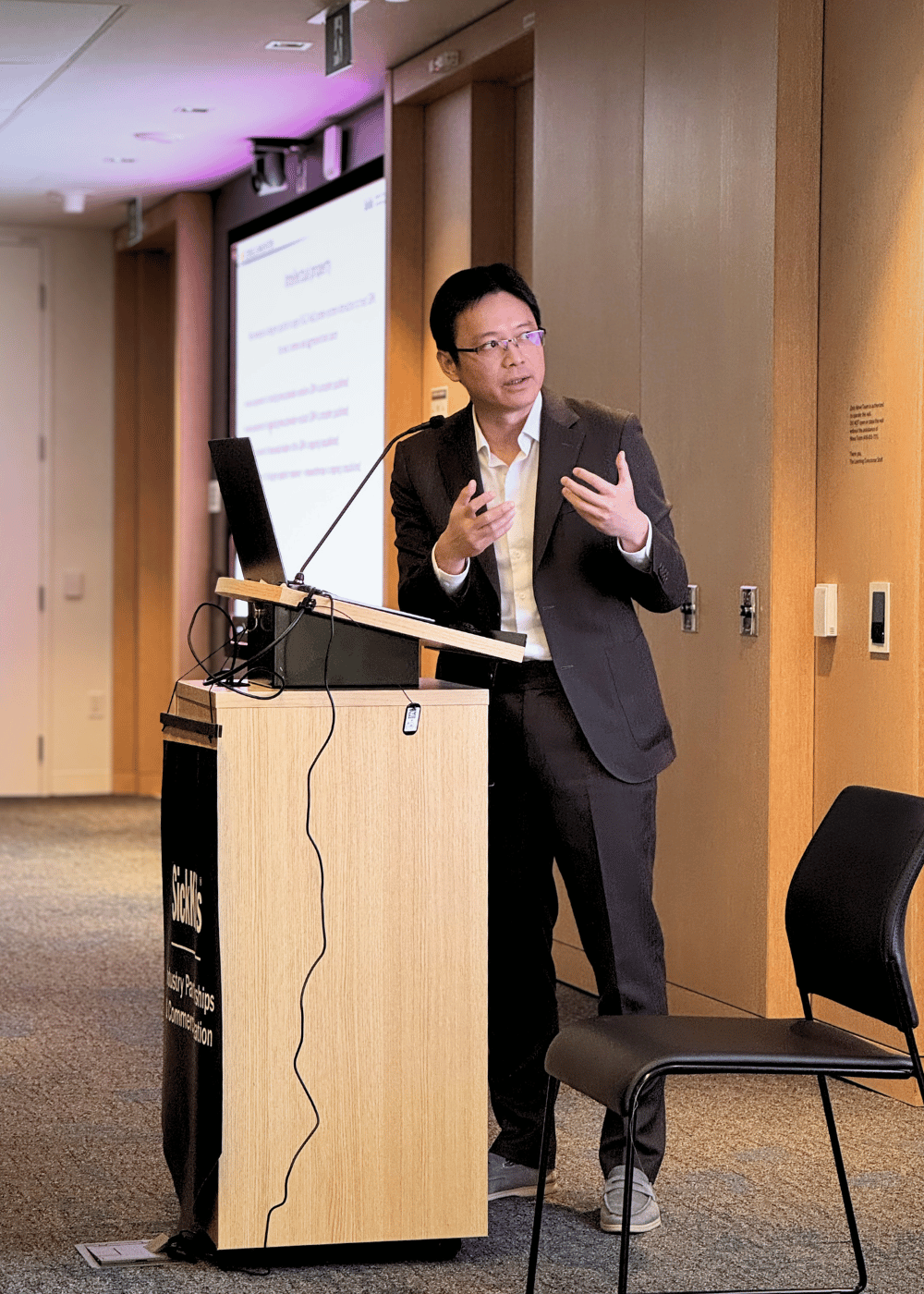
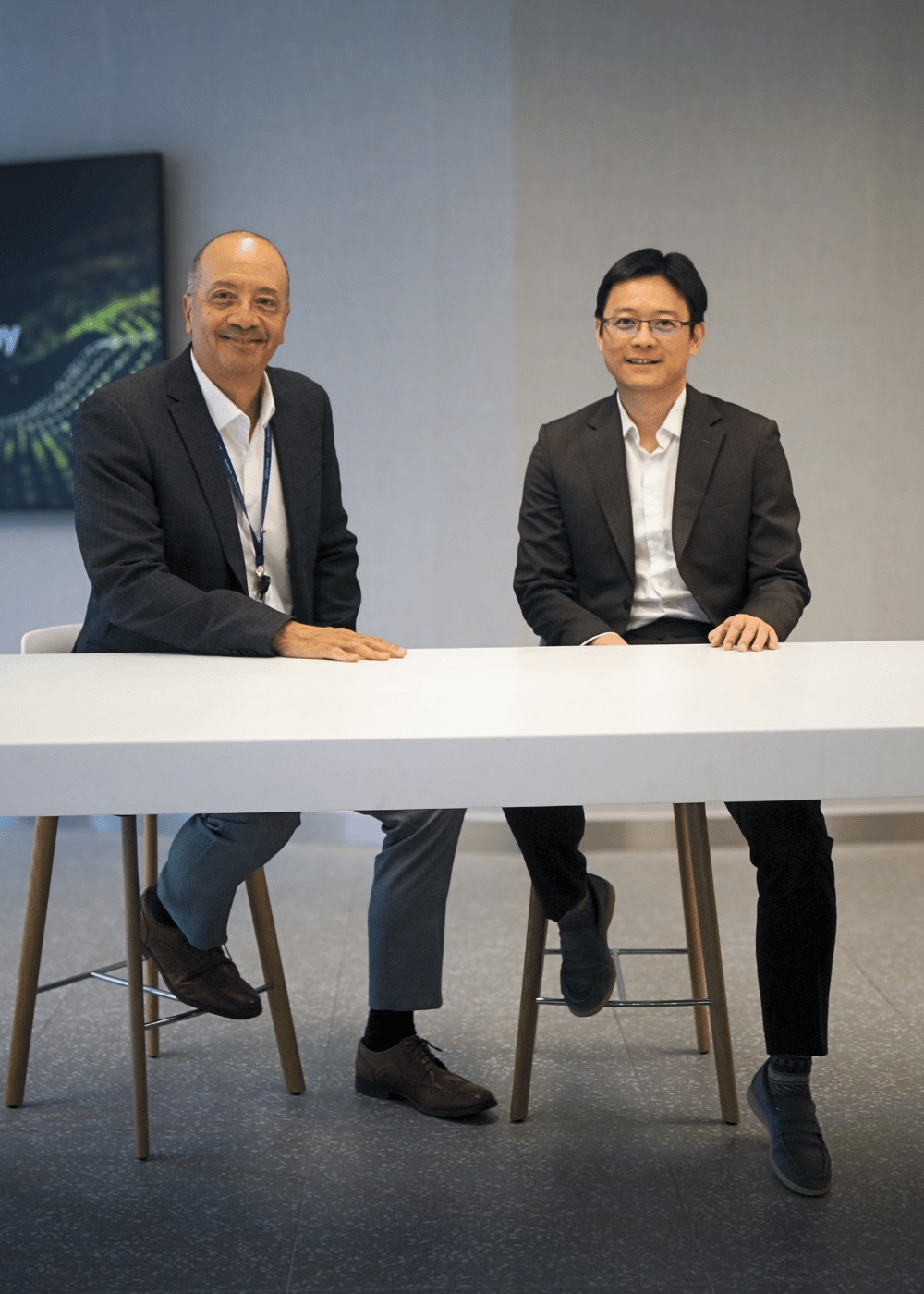
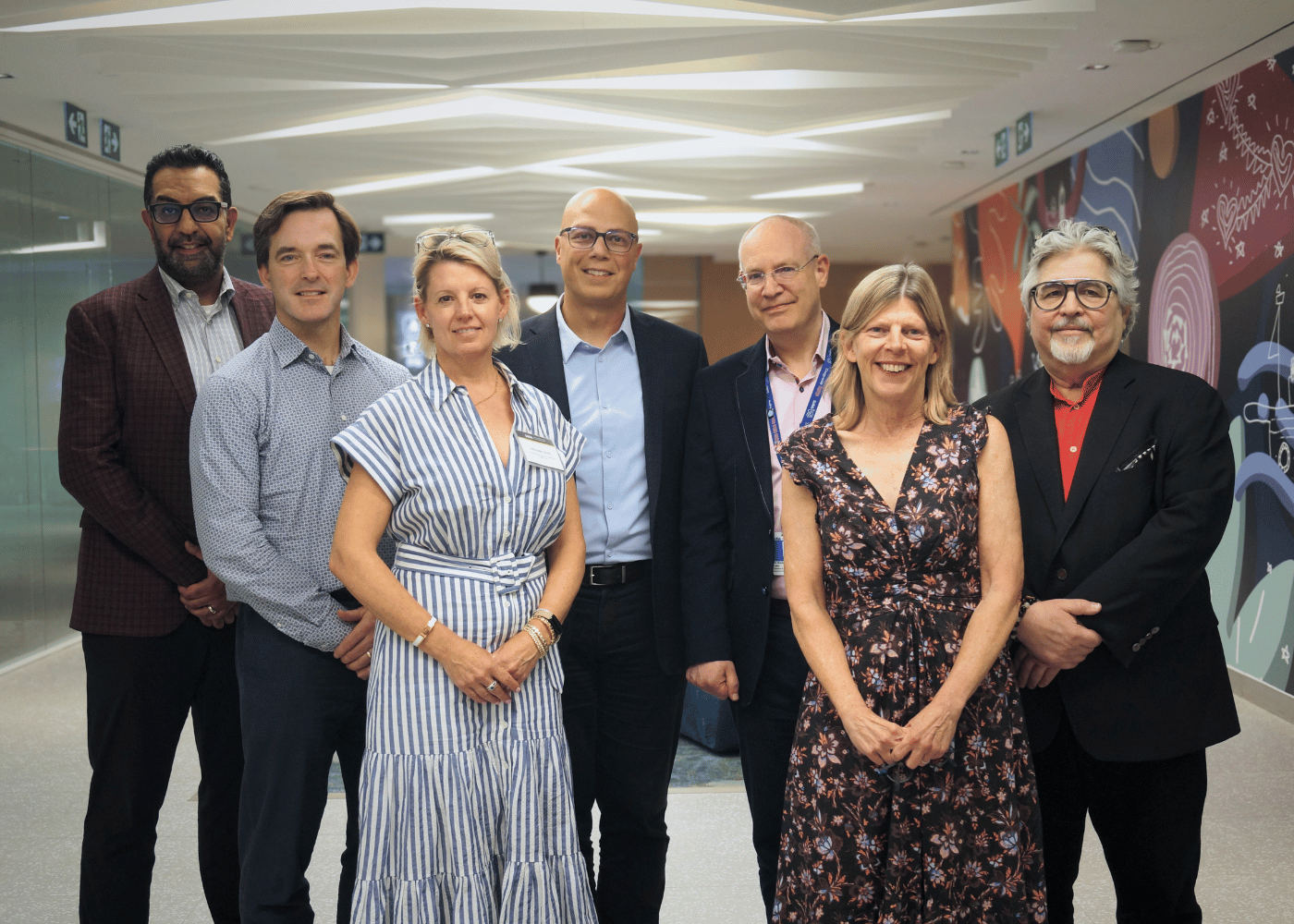
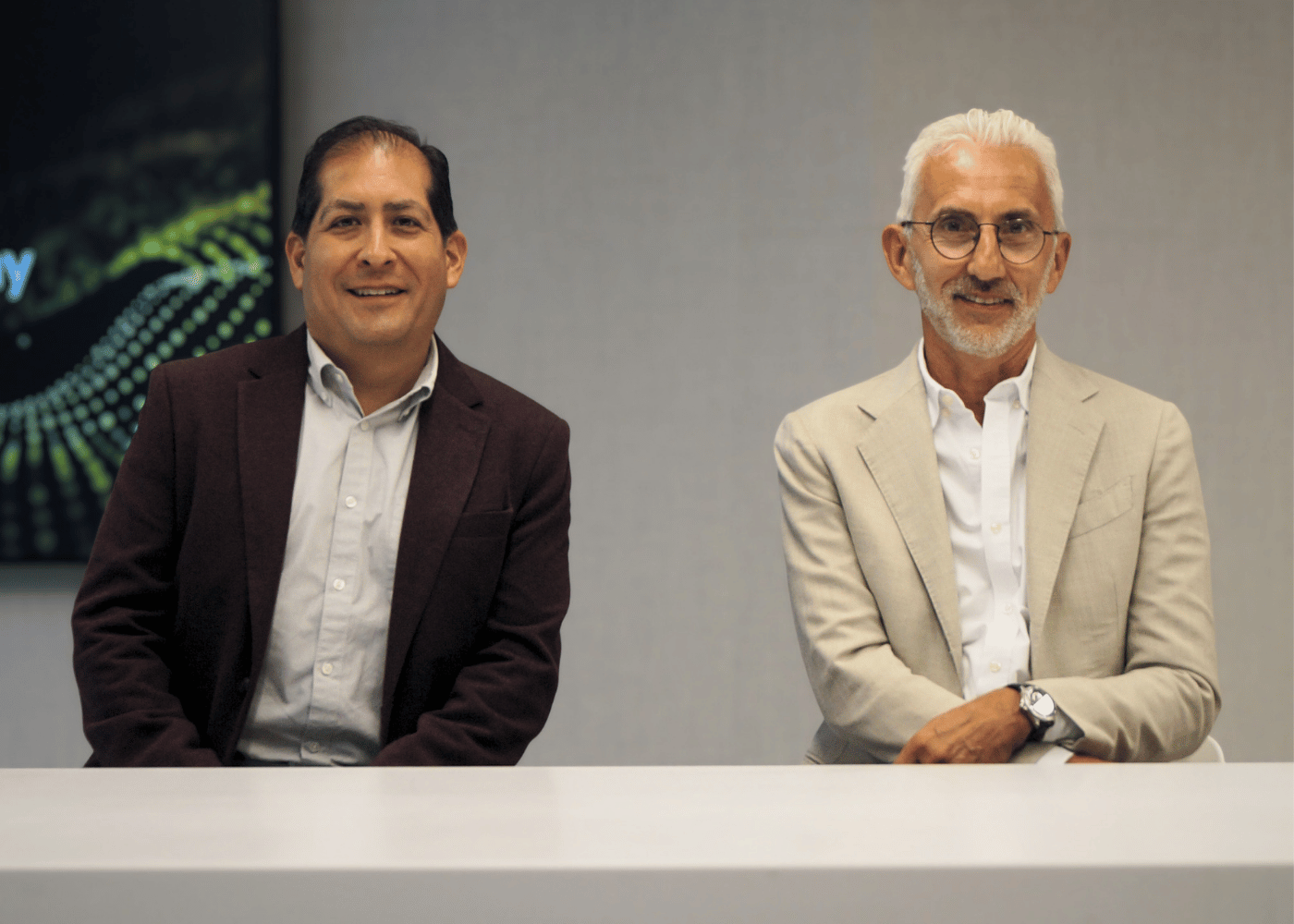
Building on the success of its inaugural year, the 2026 Technology Advancement Program (TAP) supported a cohort of high-potential innovations advancing toward clinical and commercial readiness. Led by IP&C, participating teams received strategic guidance, market-focused advice, and feedback from members of the SickKids Commercialization Advisory Board (CAB). Selected projects spanned diagnostics, therapeutics, and digital health, each addressing significant unmet health care needs while demonstrating strong potential for real-world impact.
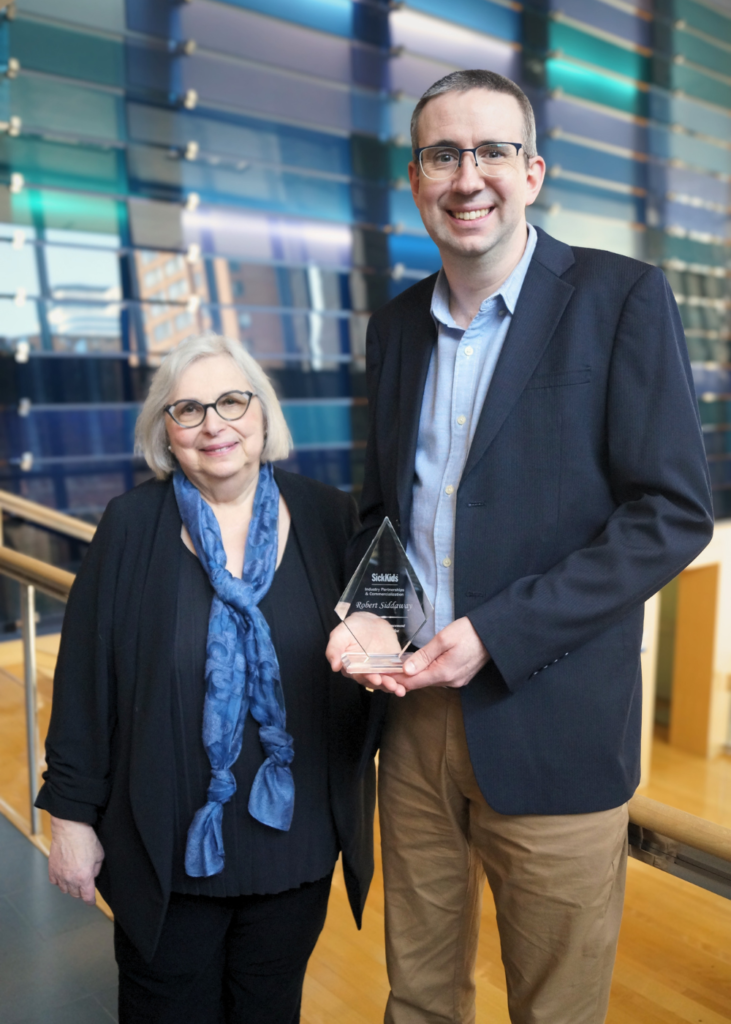
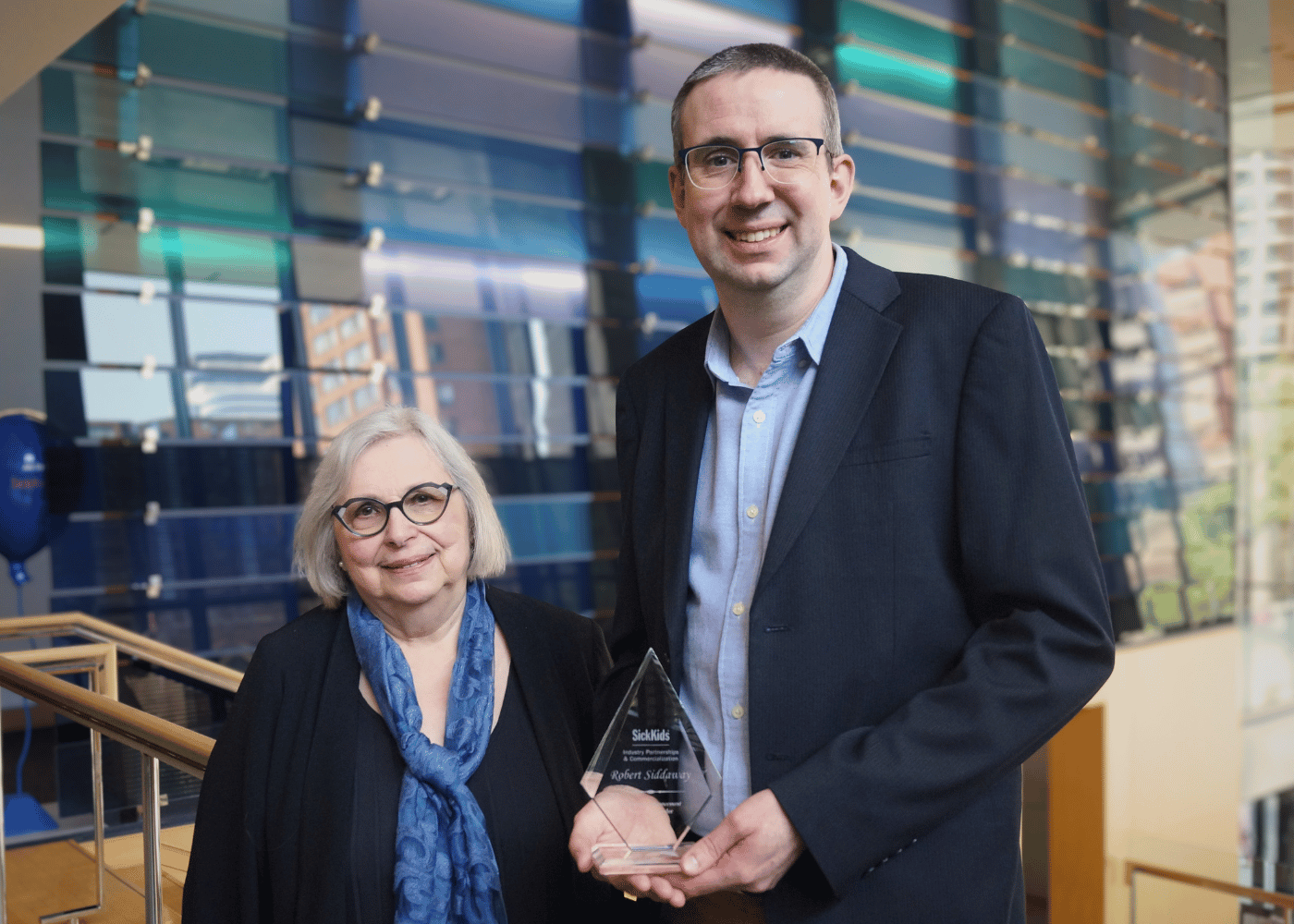
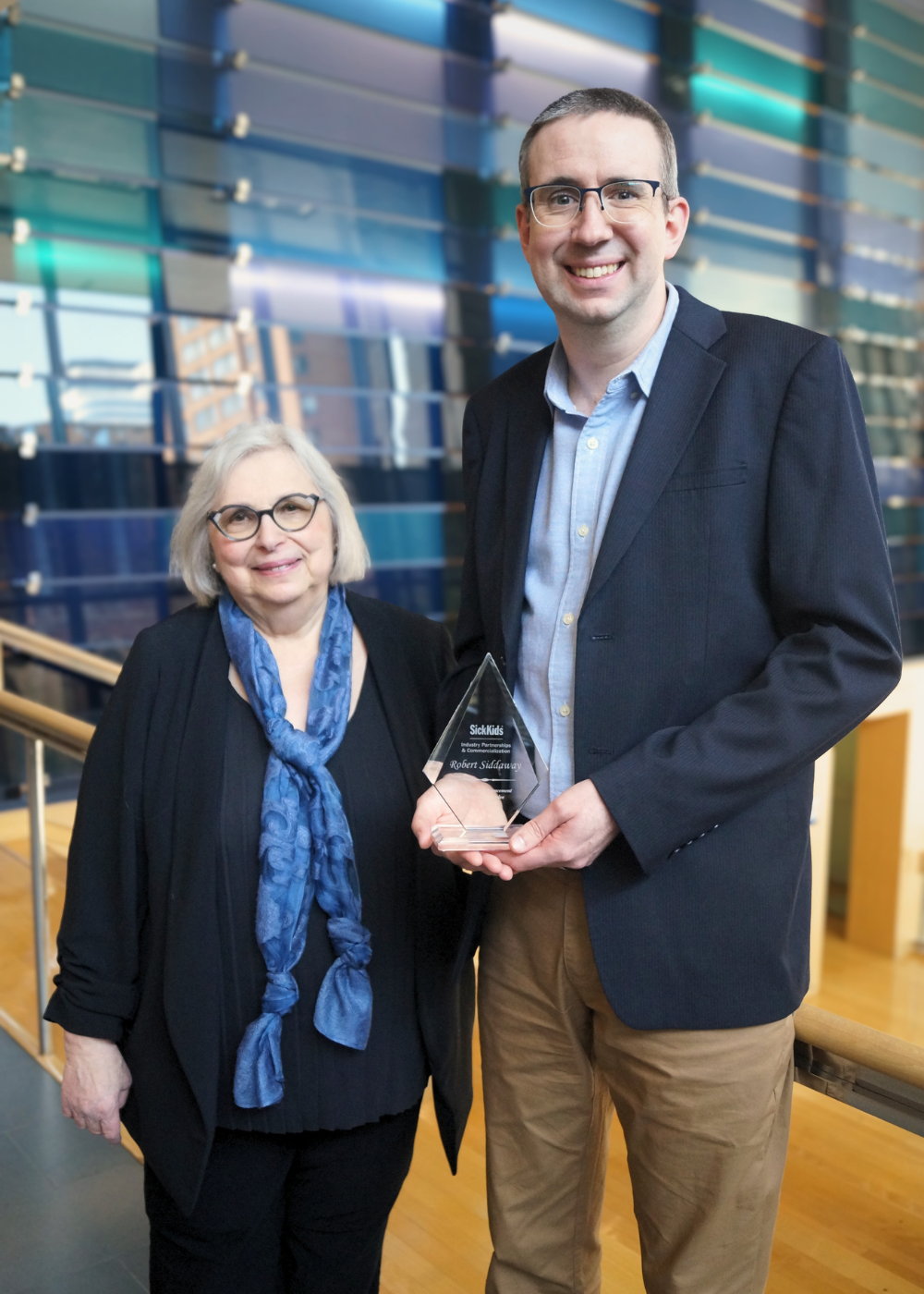
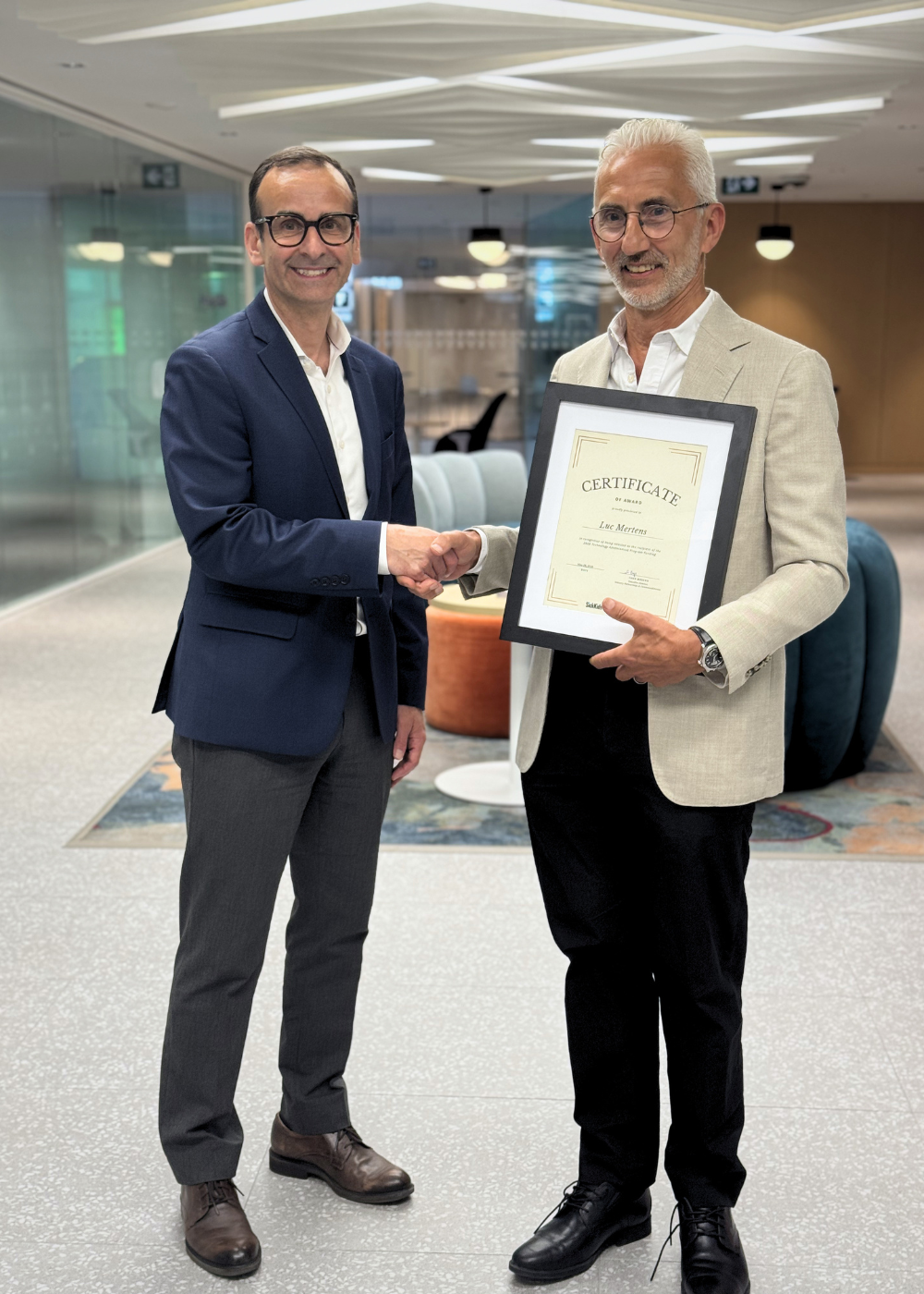
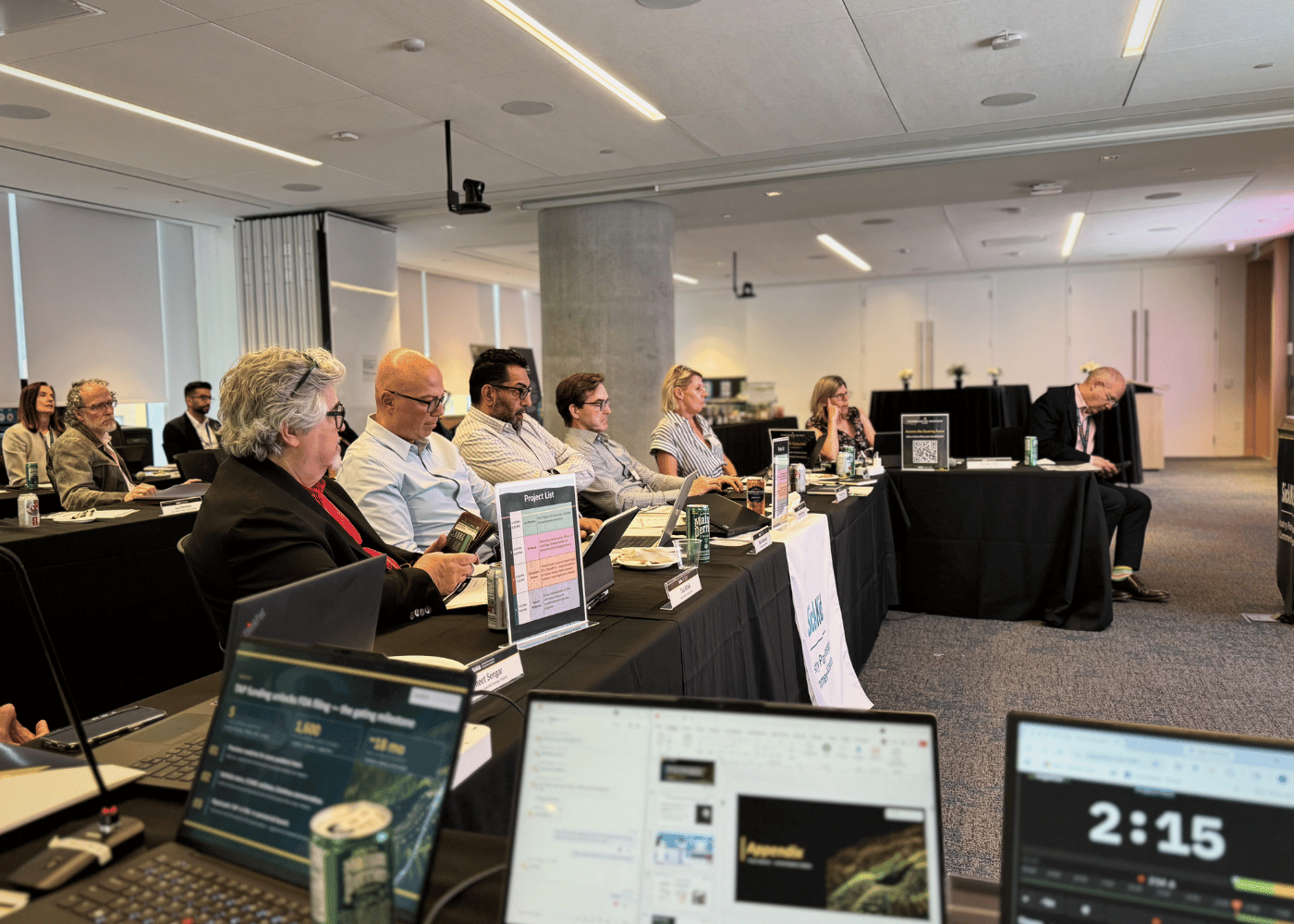
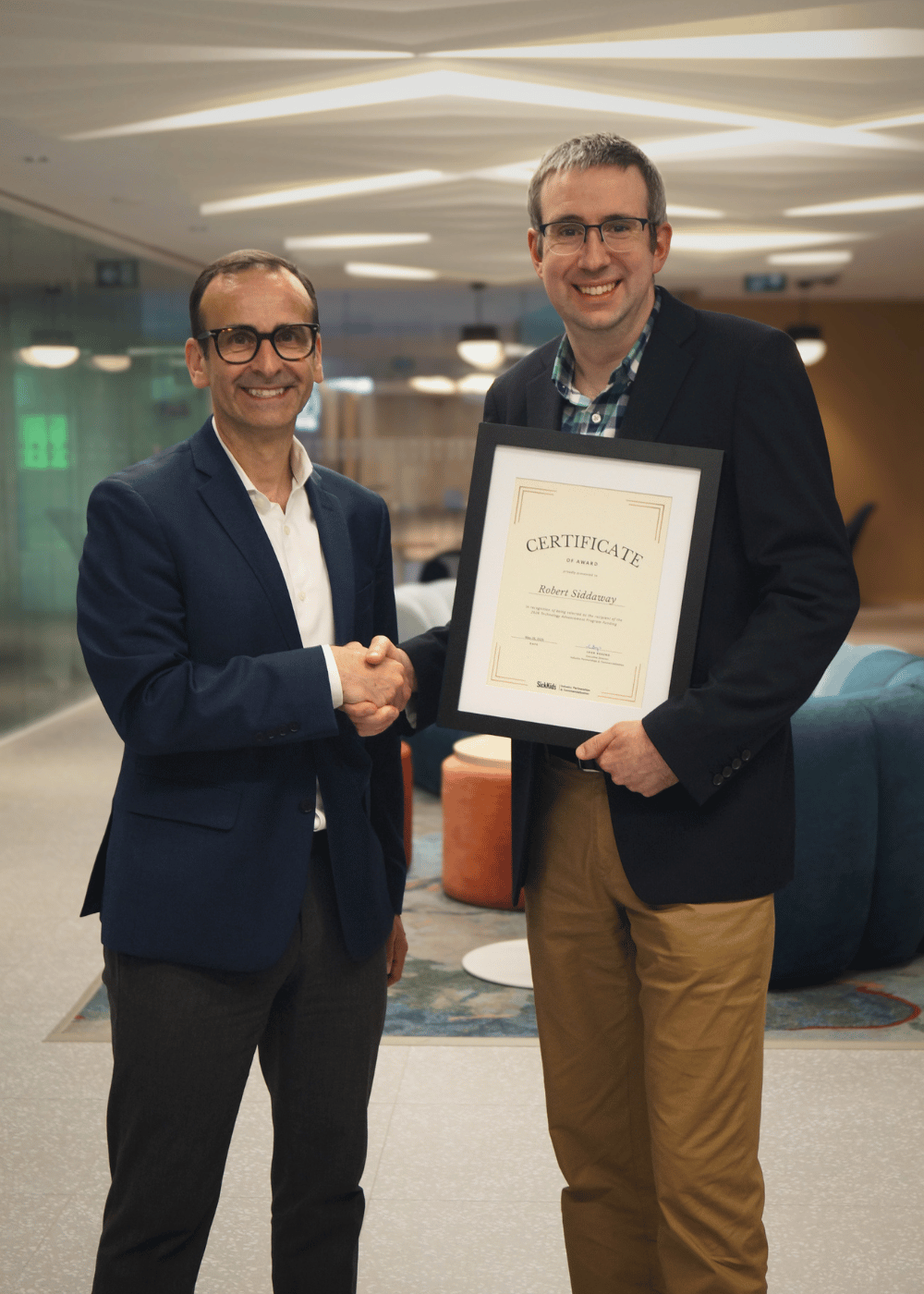
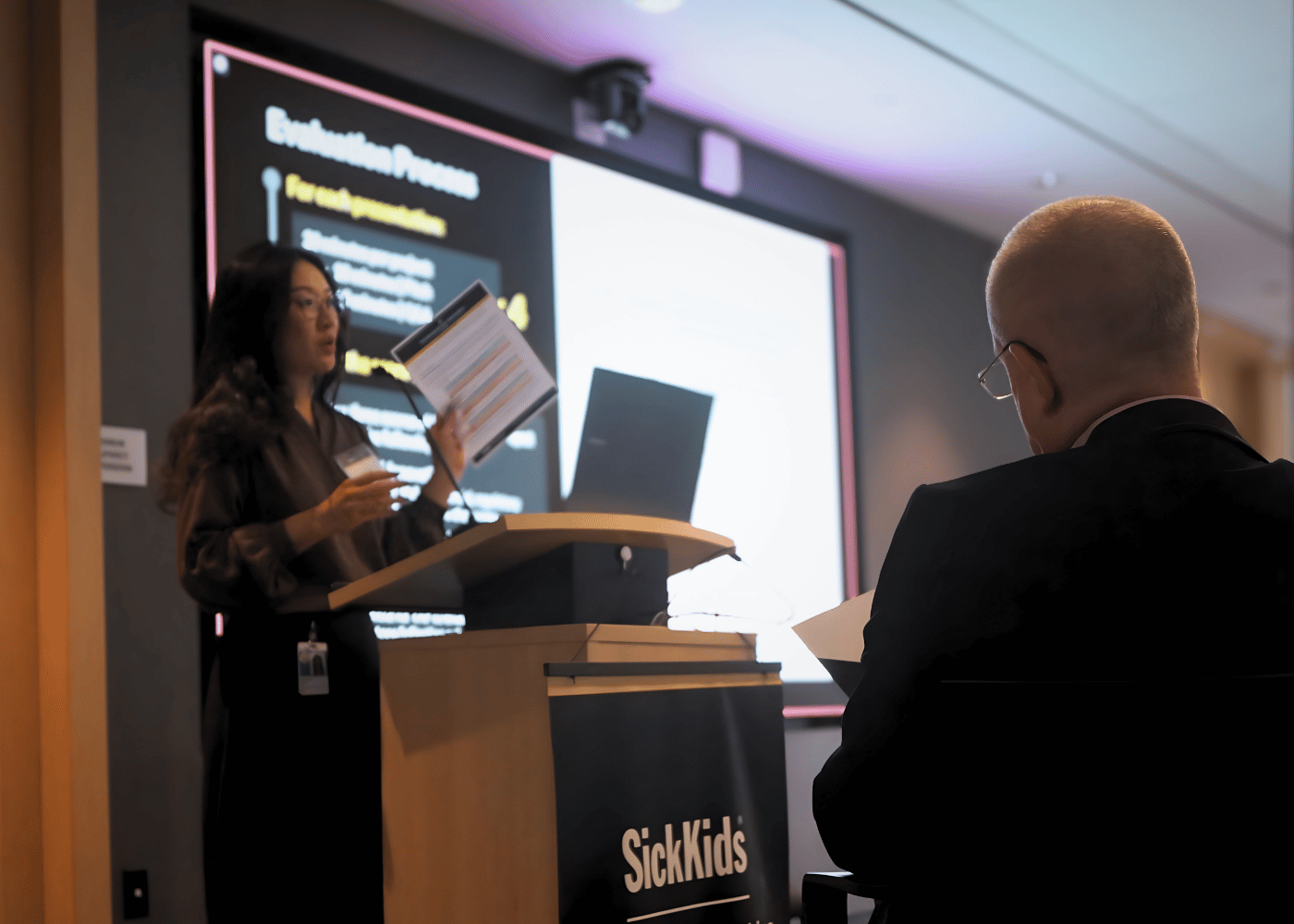
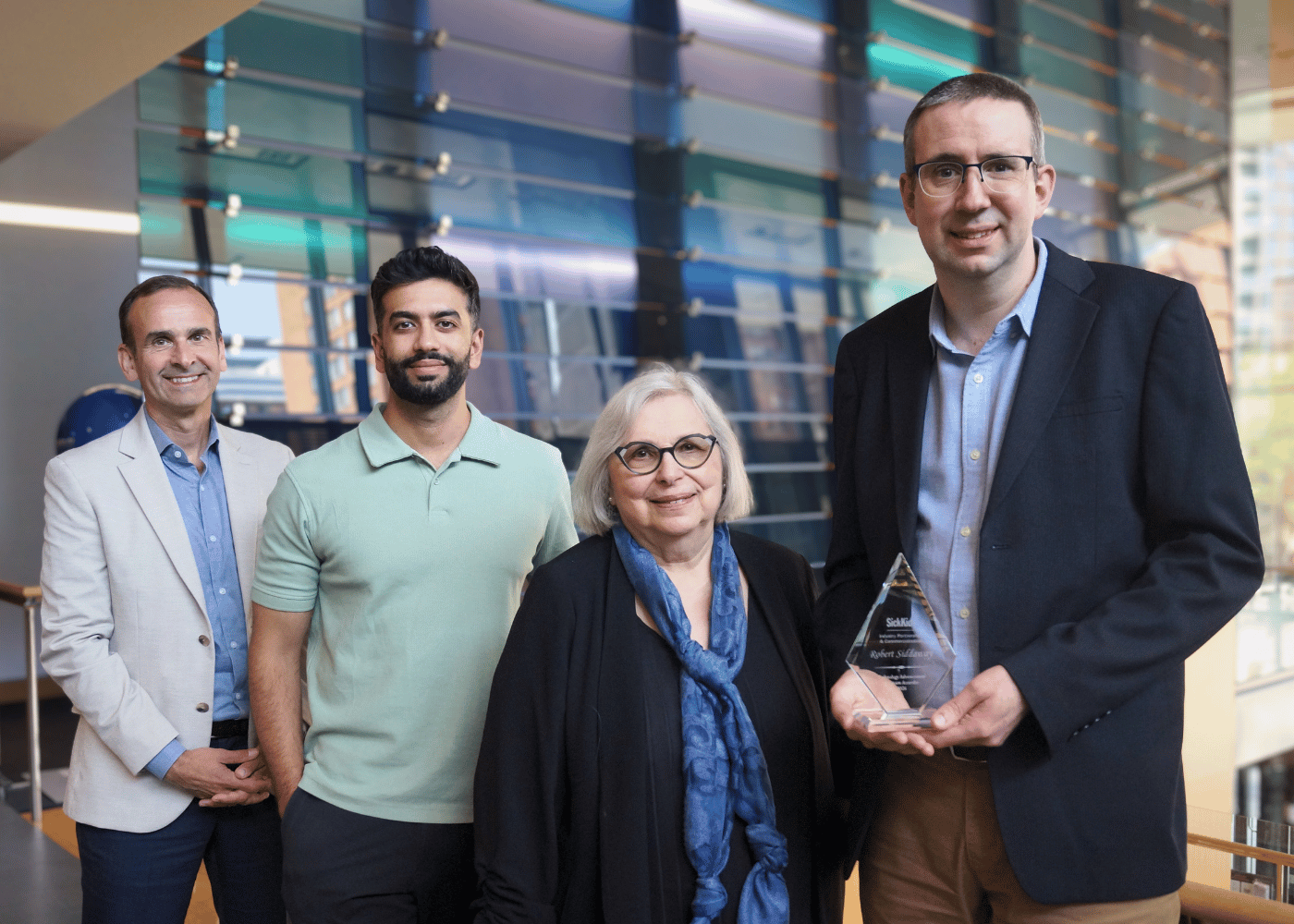
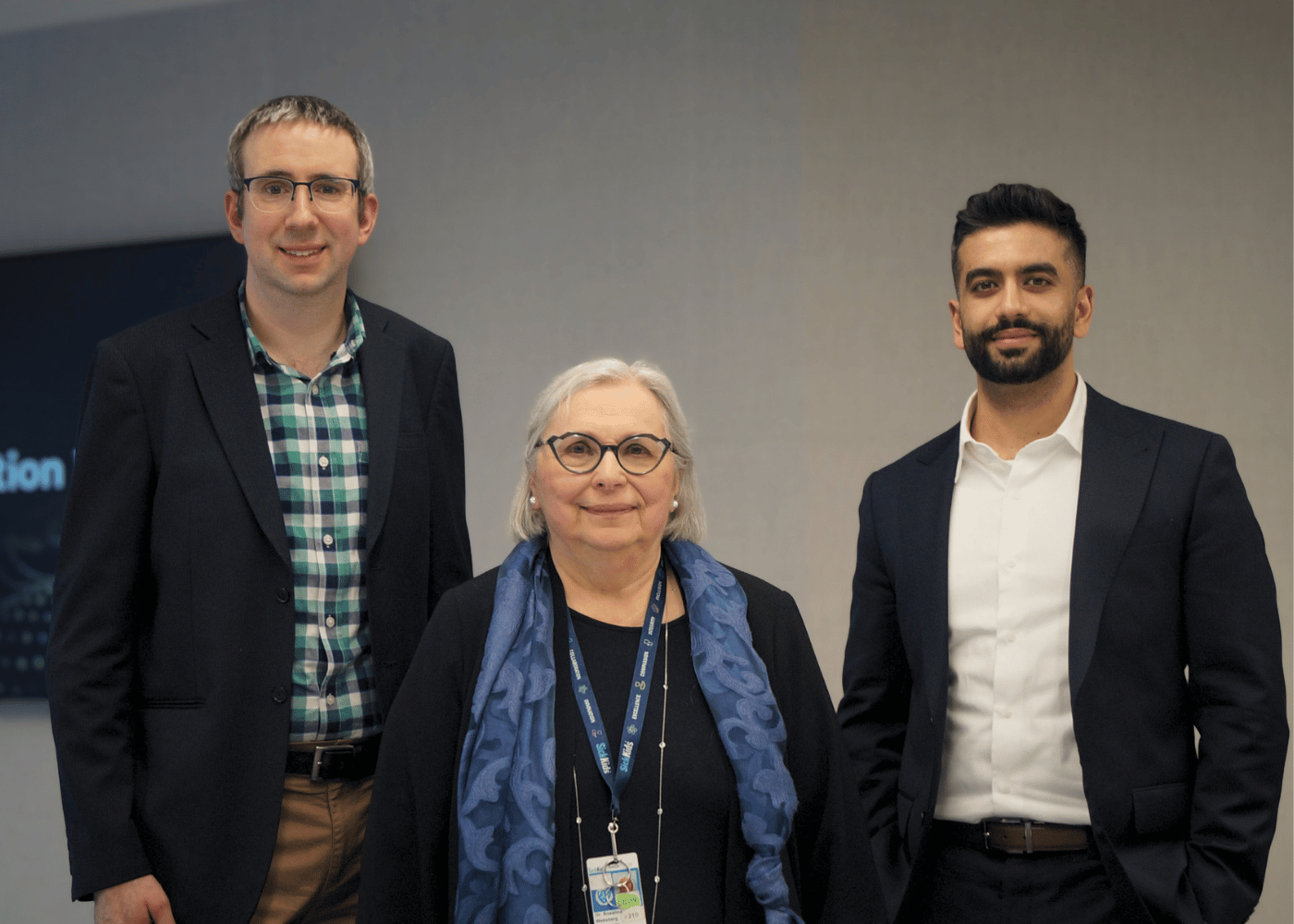
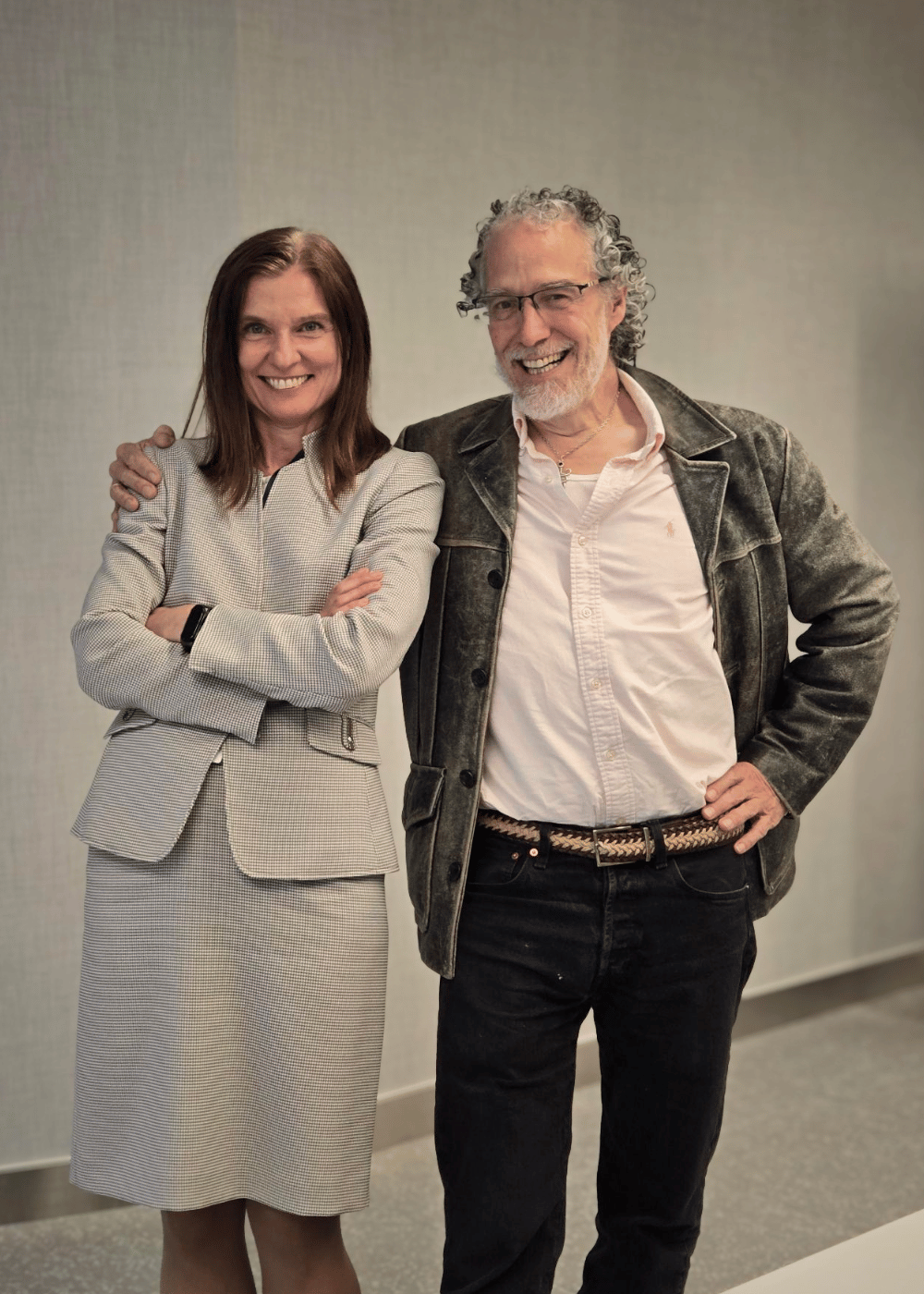
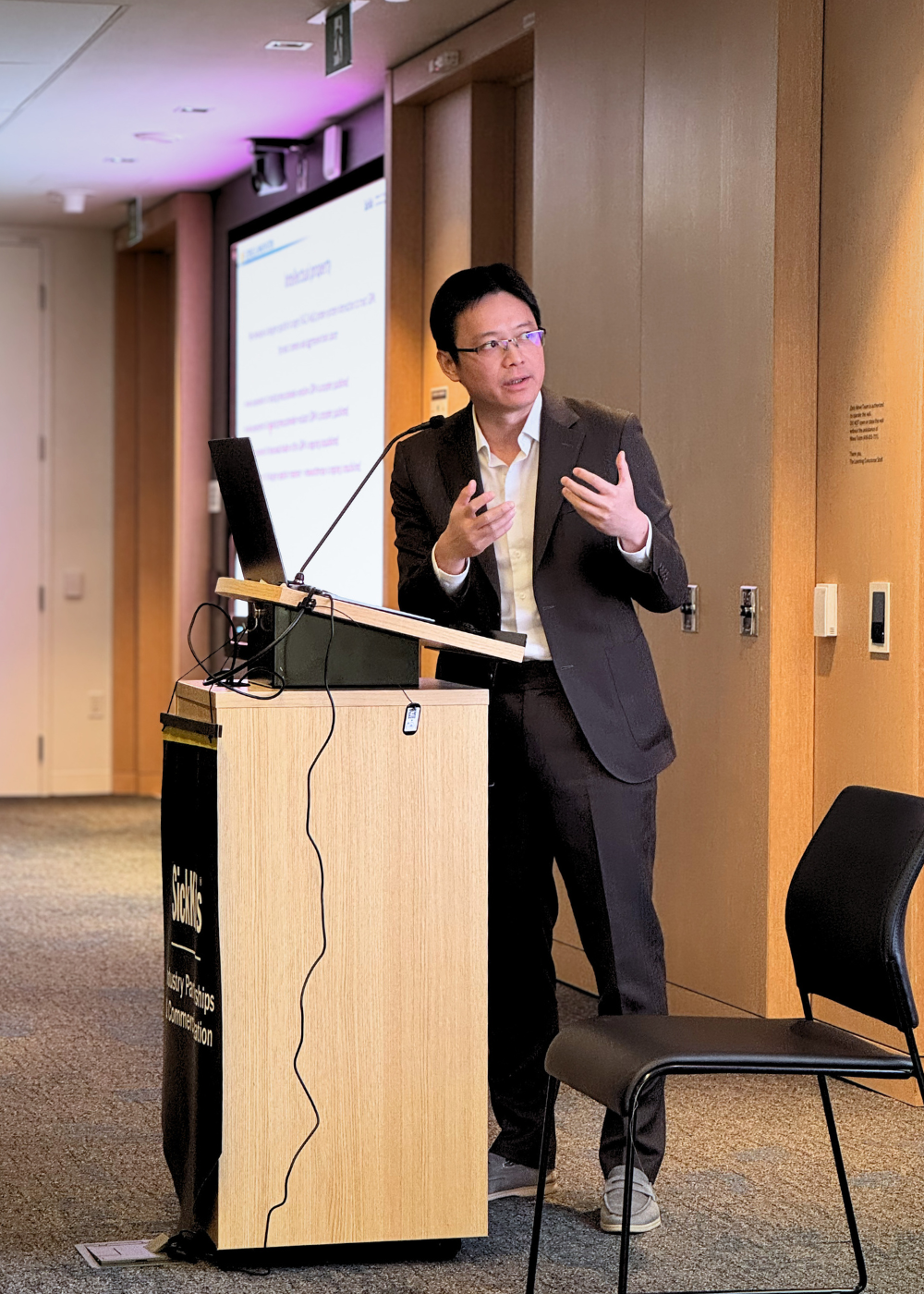
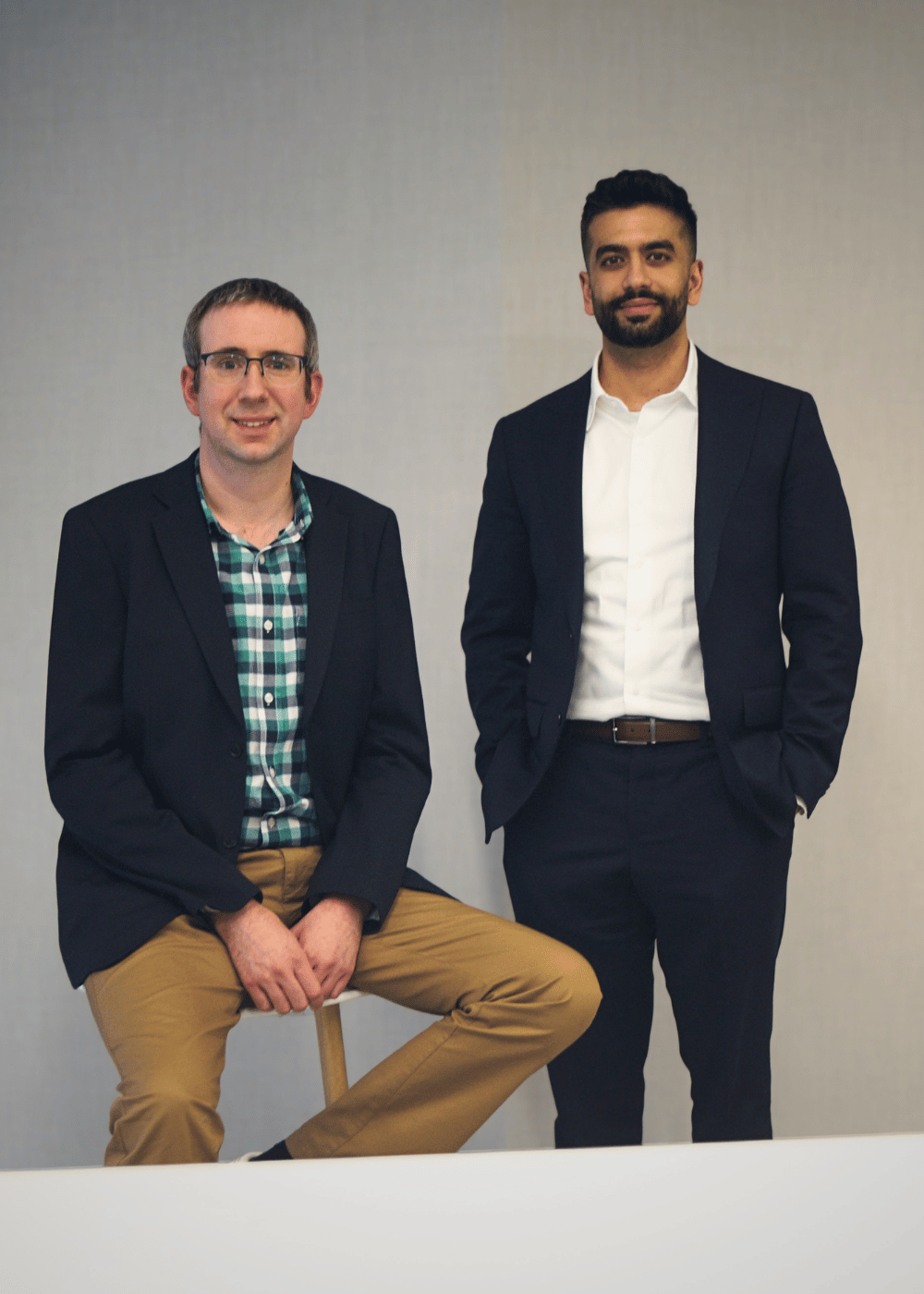
The program concluded with final presentations on May 28th, where investigators shared progress toward key development milestones and outlined their commercialization strategies. Following a competitive review process, the CAB selected two projects to receive TAP funding in recognition of their scientific strength, translational potential, and readiness for advancement. Dr. Robert Siddaway, alongside Dr. Rosanna Weksberg, was awarded $150,000 to support the clinical implementation of DNA methylation analysis for neurodevelopmental disorder diagnostics. Dr. Luc Mertens received $150,000 to advance PACE Health, an AI-enabled platform for automated pediatric echocardiography annotation.
In addition to funding, both teams will continue to benefit from strategic guidance and commercialization support as they work toward broader adoption and impact.
2026 TAP Funding Recipient: Robert Siddaway
2026 TAP Funding Recipient: Luc Mertens
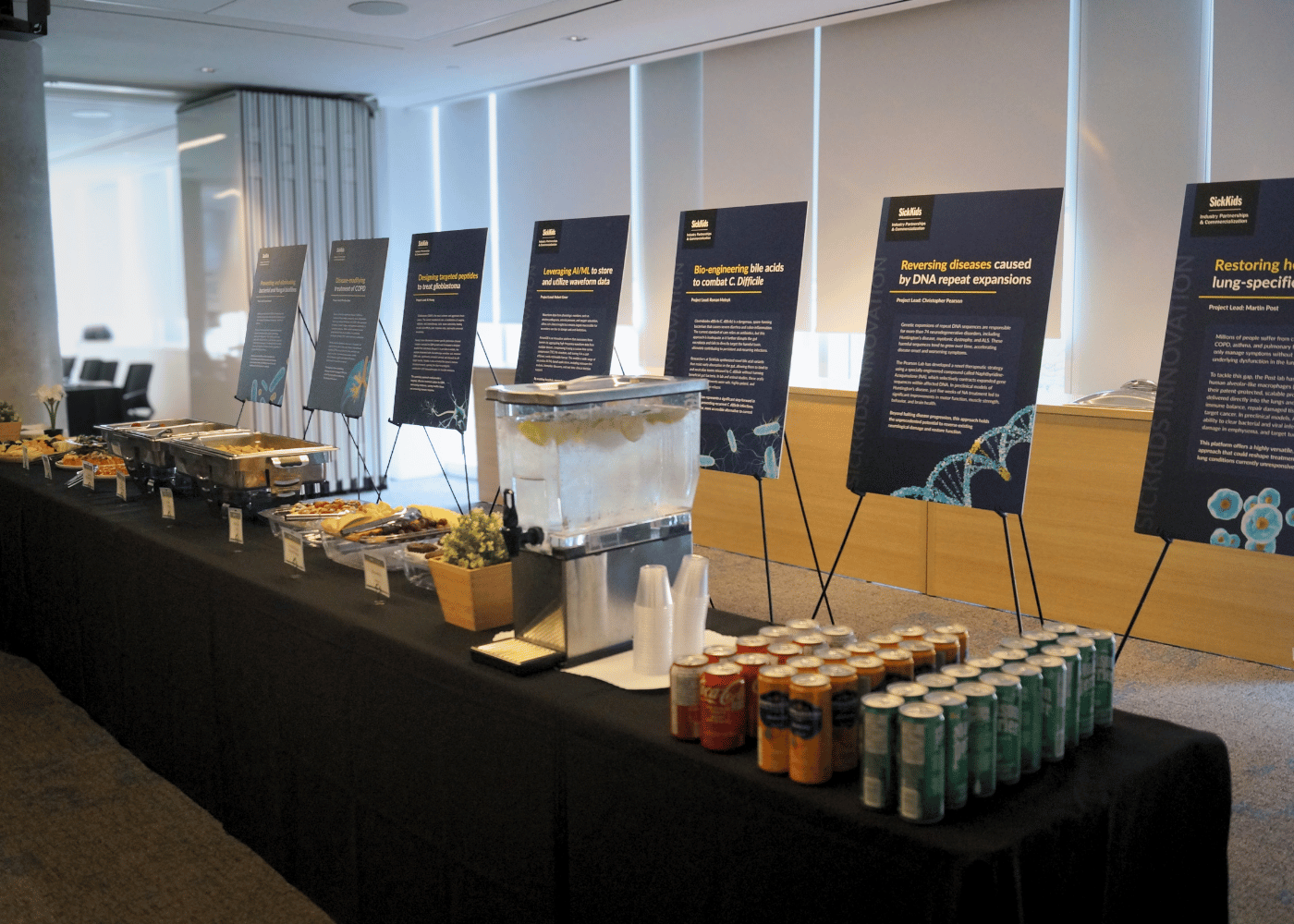
Participating Projects:


2025 Technology Advancement Program
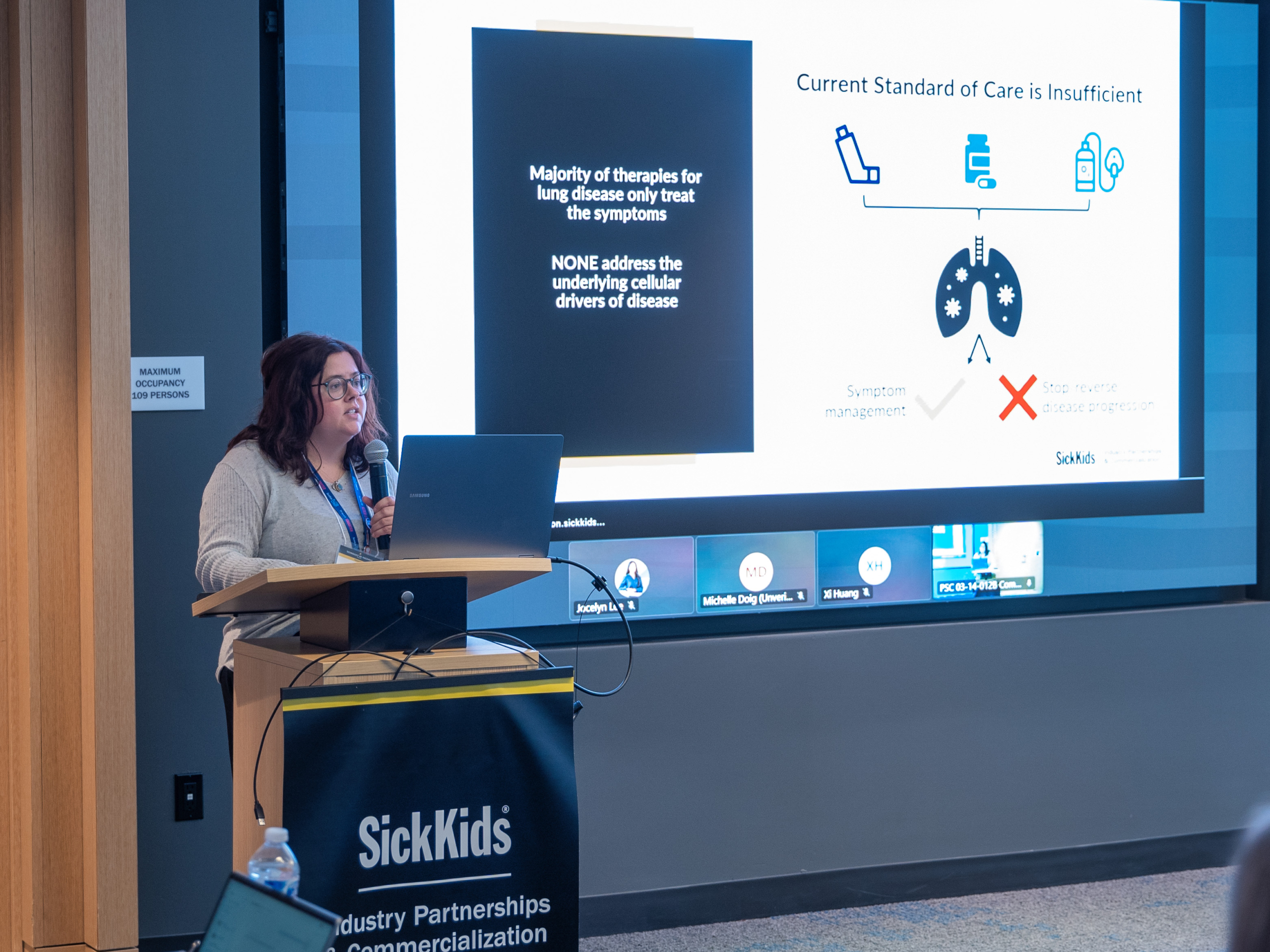
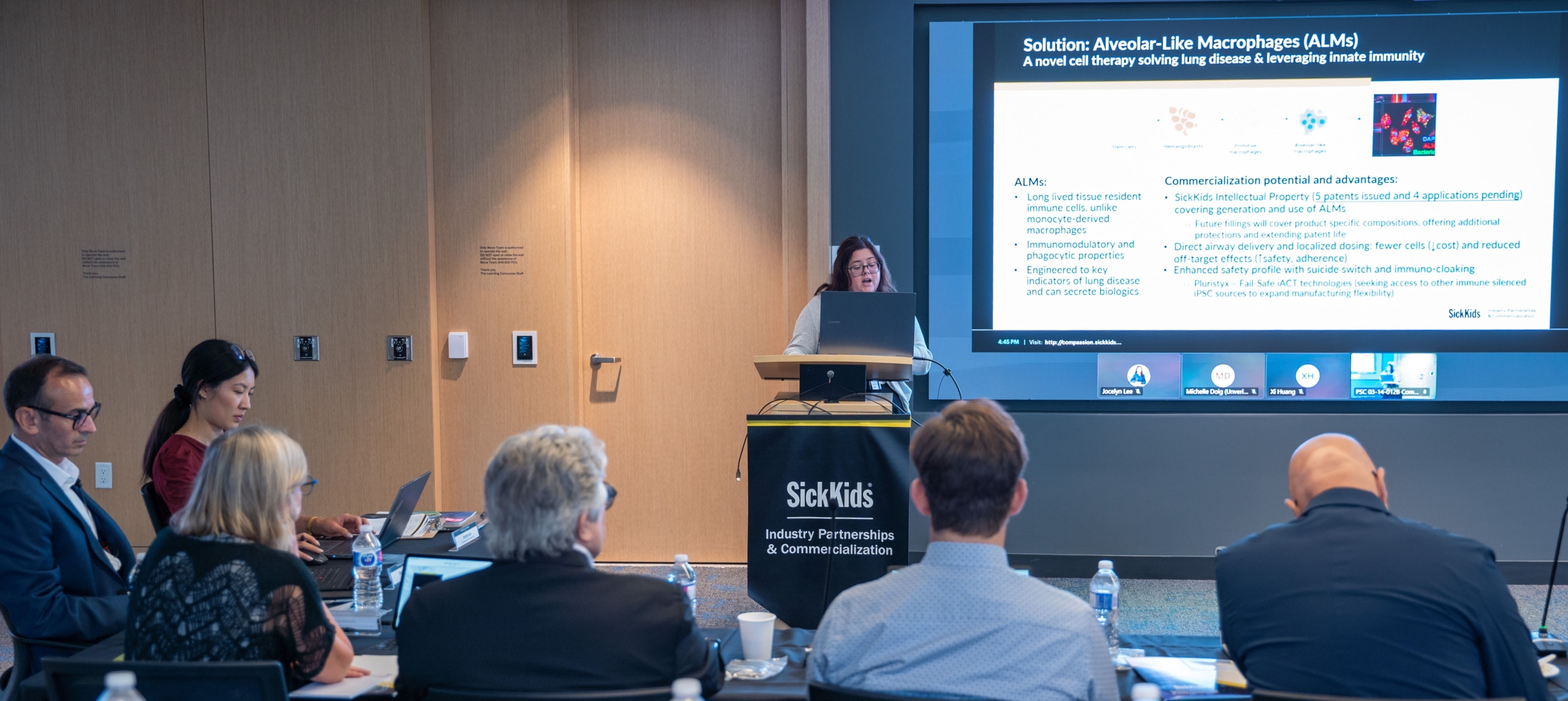
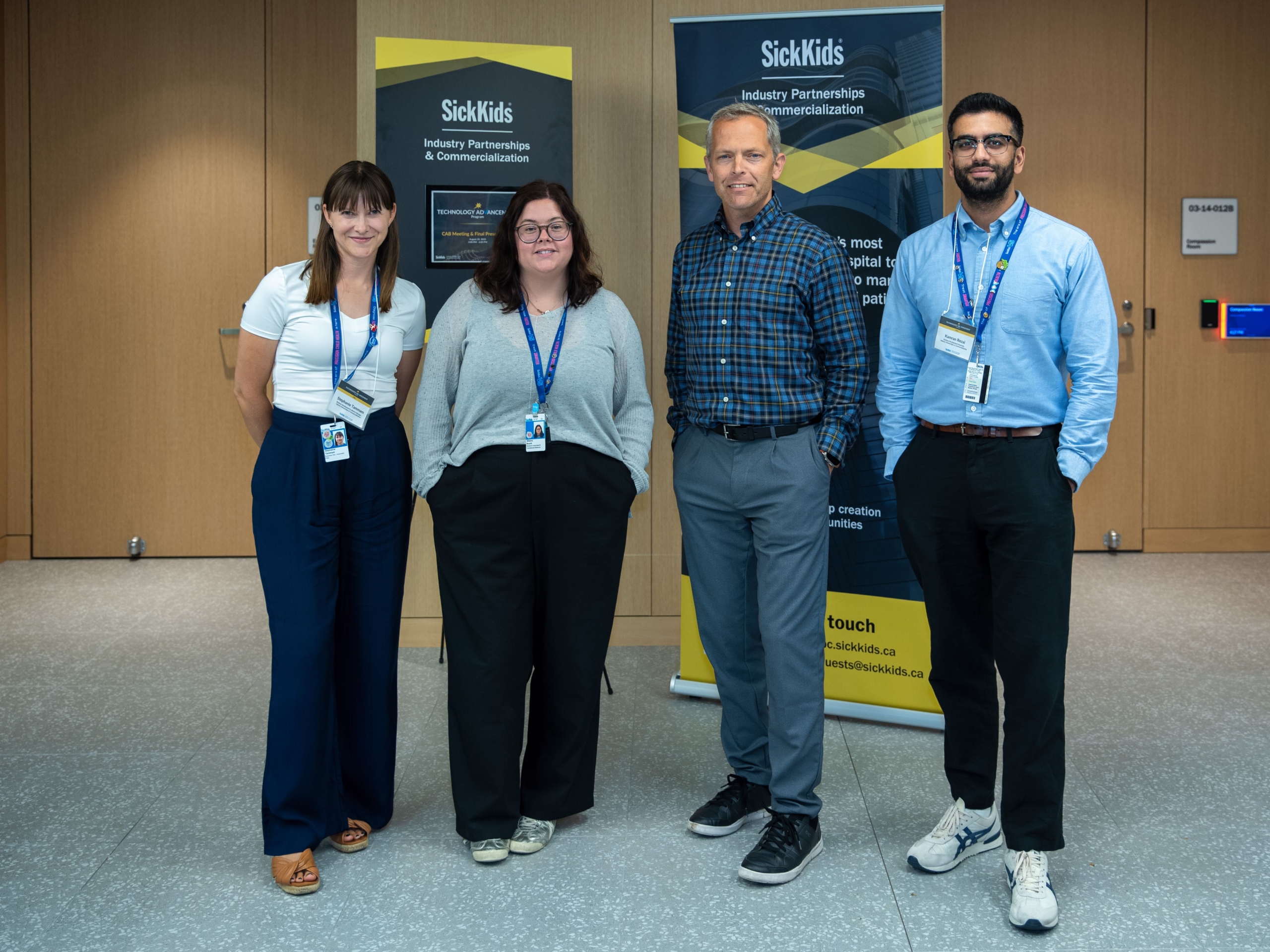
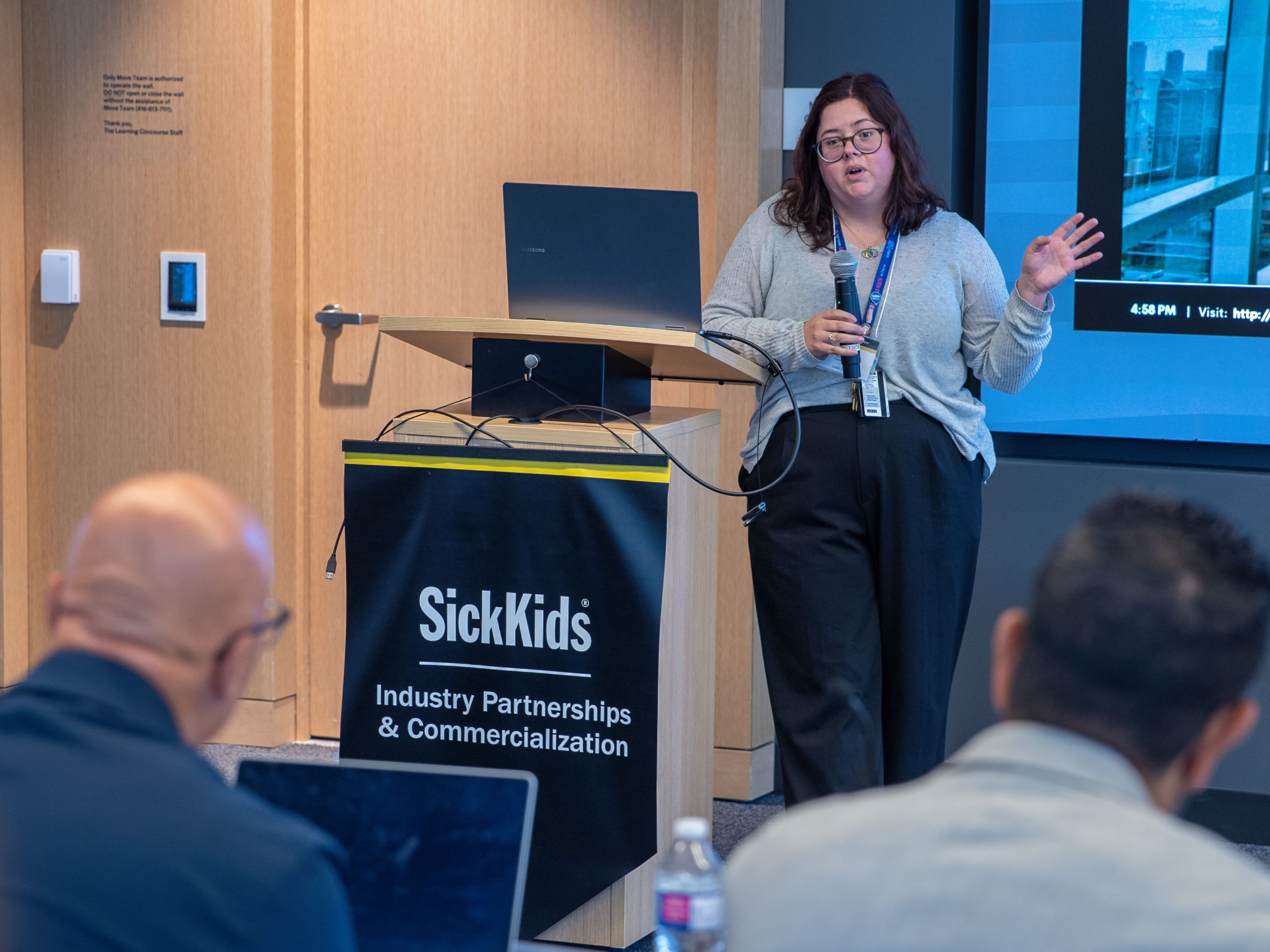
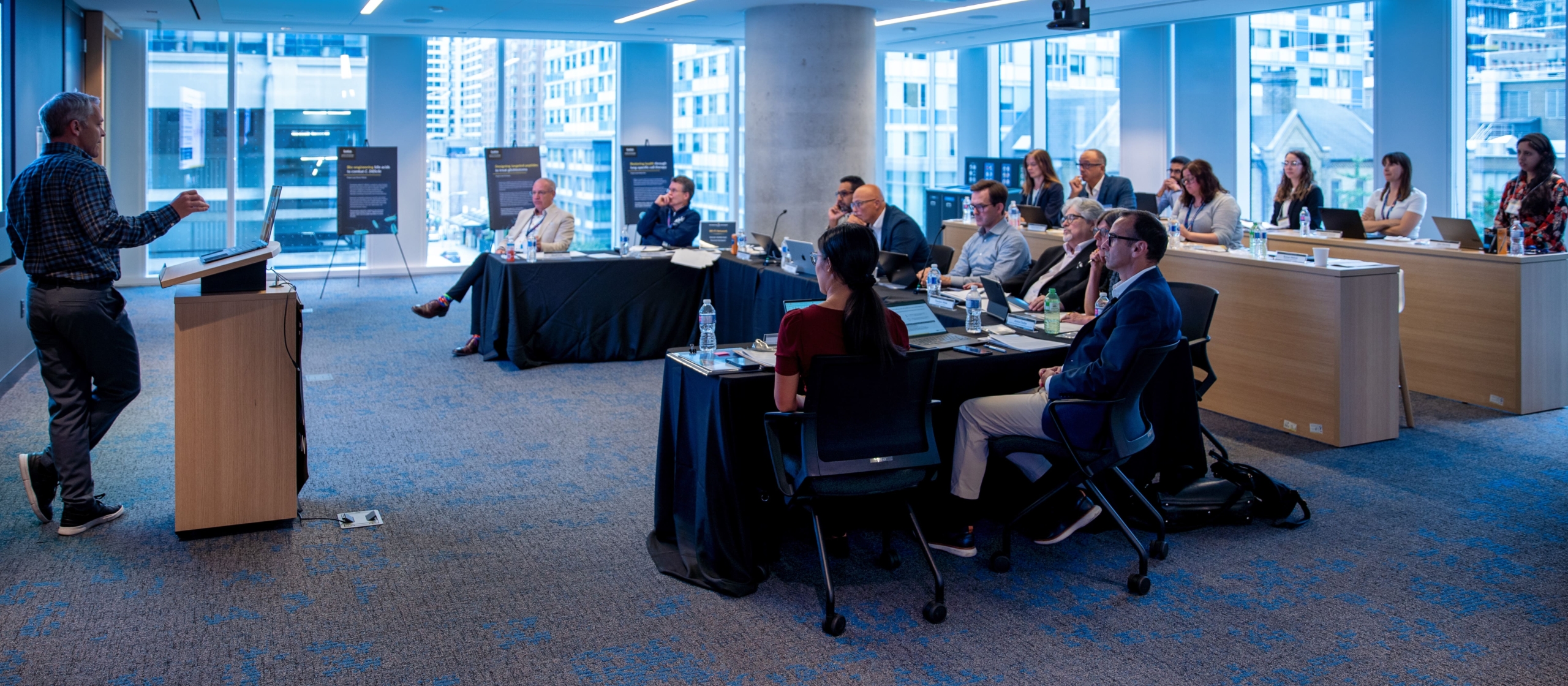
The inaugural SickKids Technology Advancement Program (TAP) ran from March to August 2025, supporting three promising projects with IP&C-led guidance and input from leaders in investment and industry. Projects selected to participate in the program addressed clearly defined clinical needs, demonstrated strong intellectual property positioning, and were at a stage where funding and mentorship could drive meaningful progress toward commercialization.
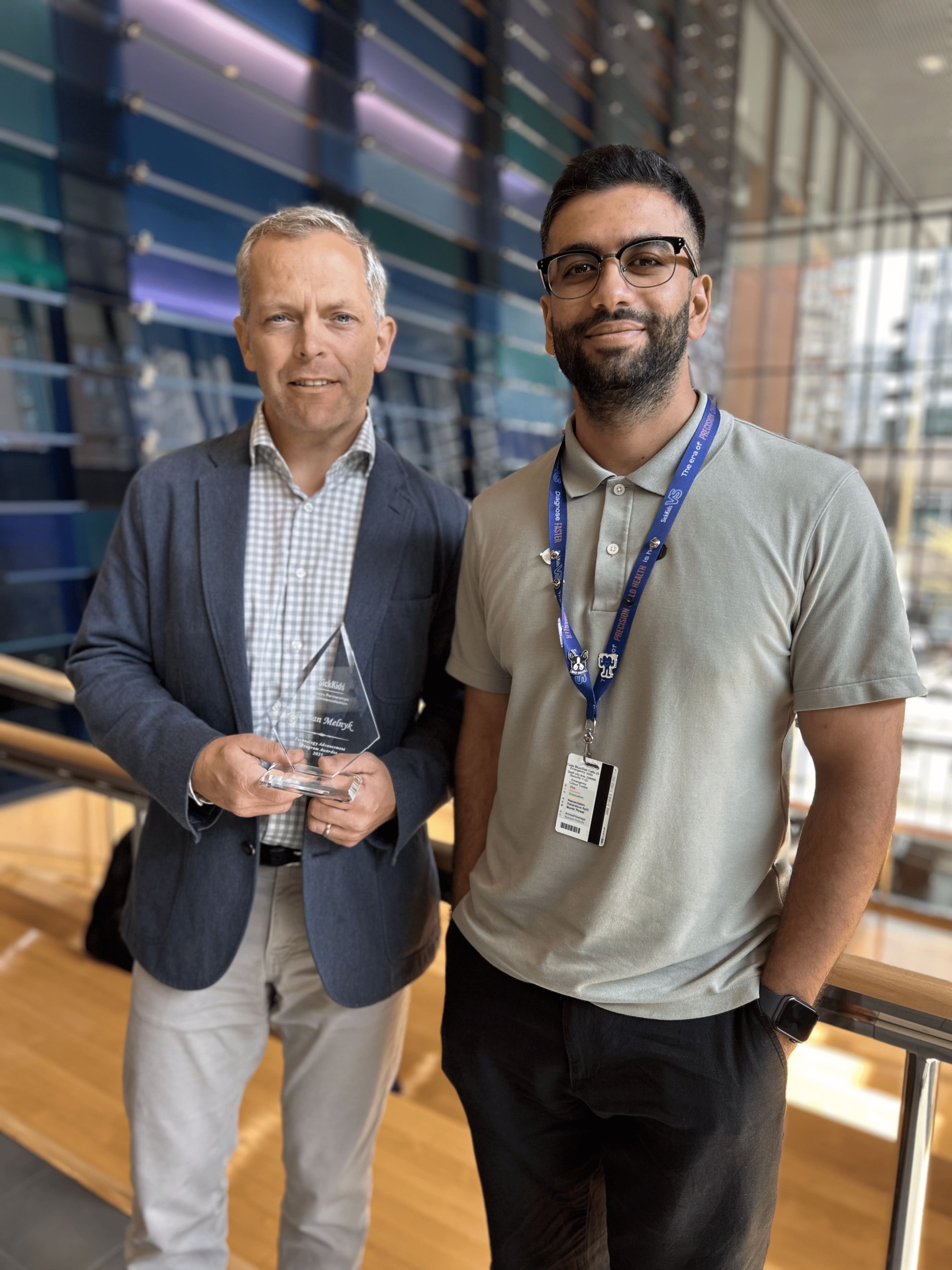
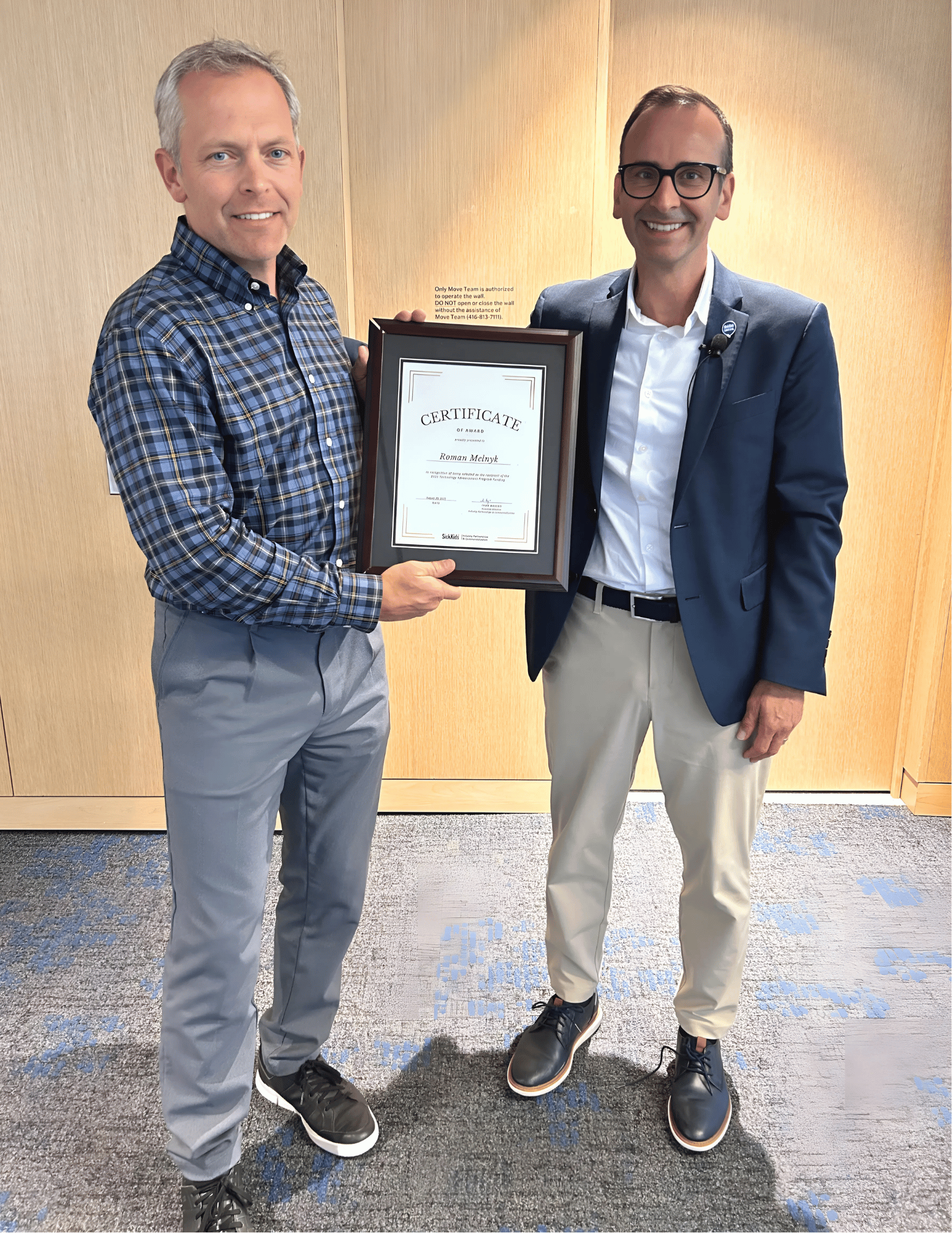
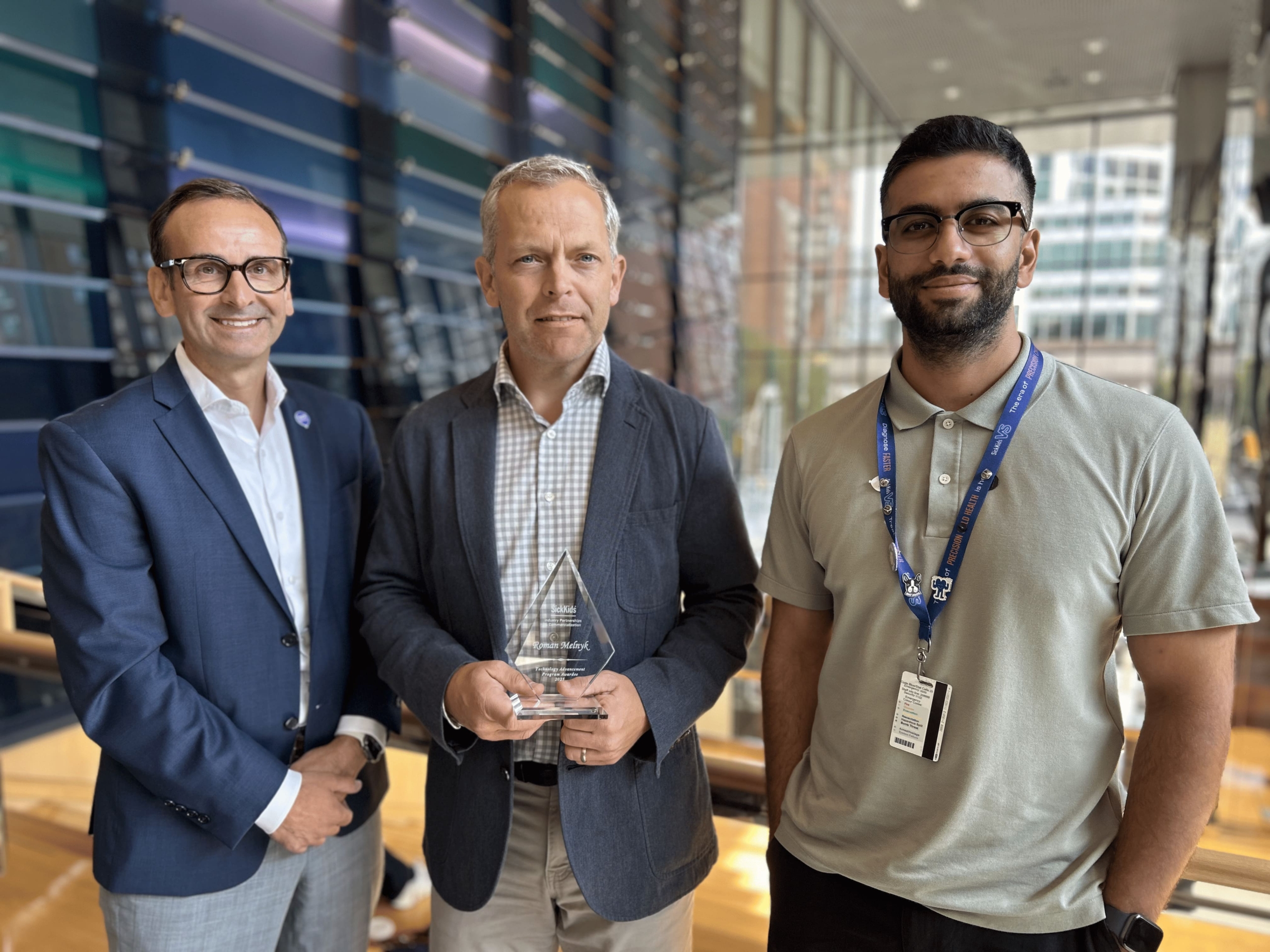
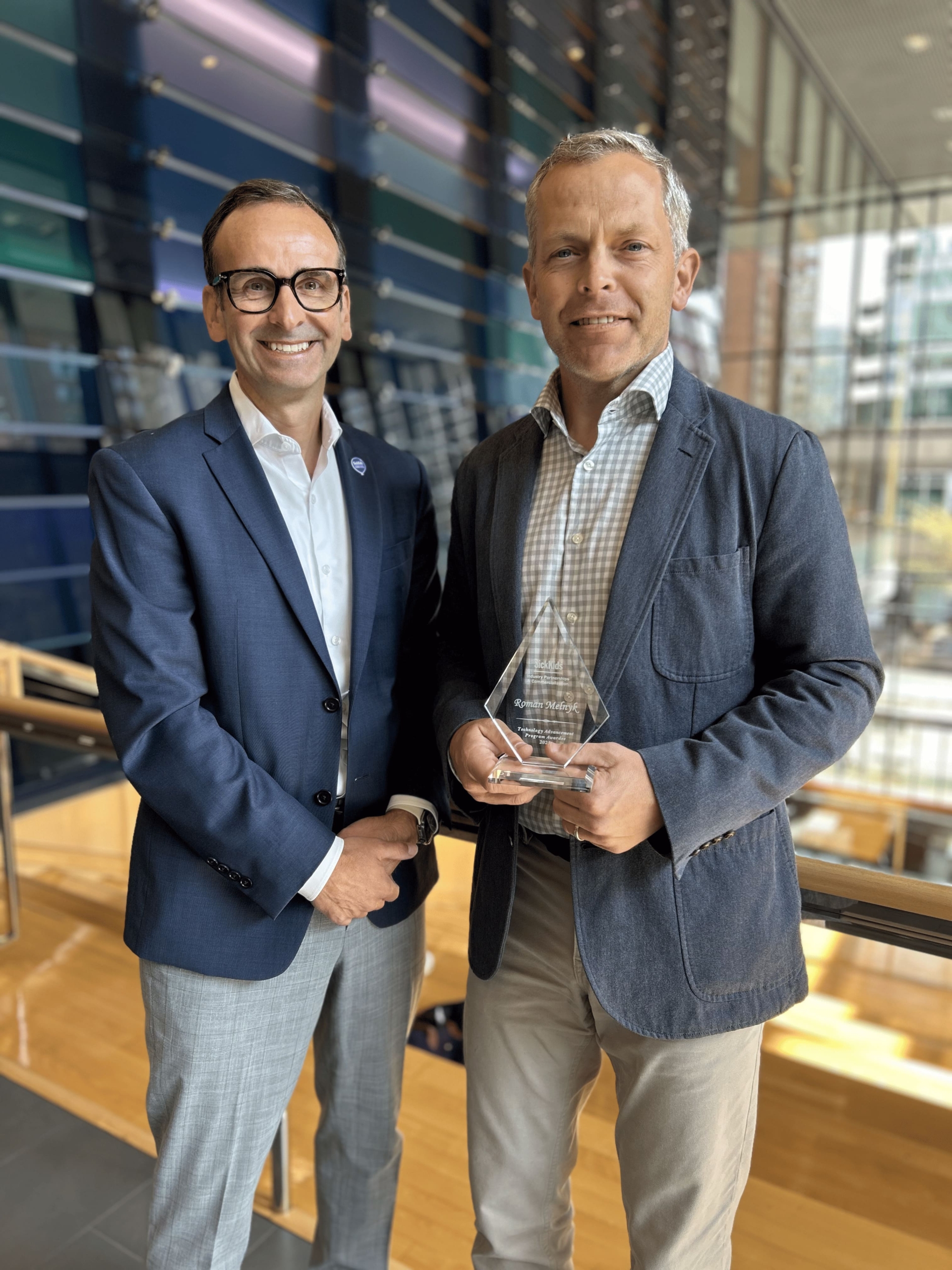
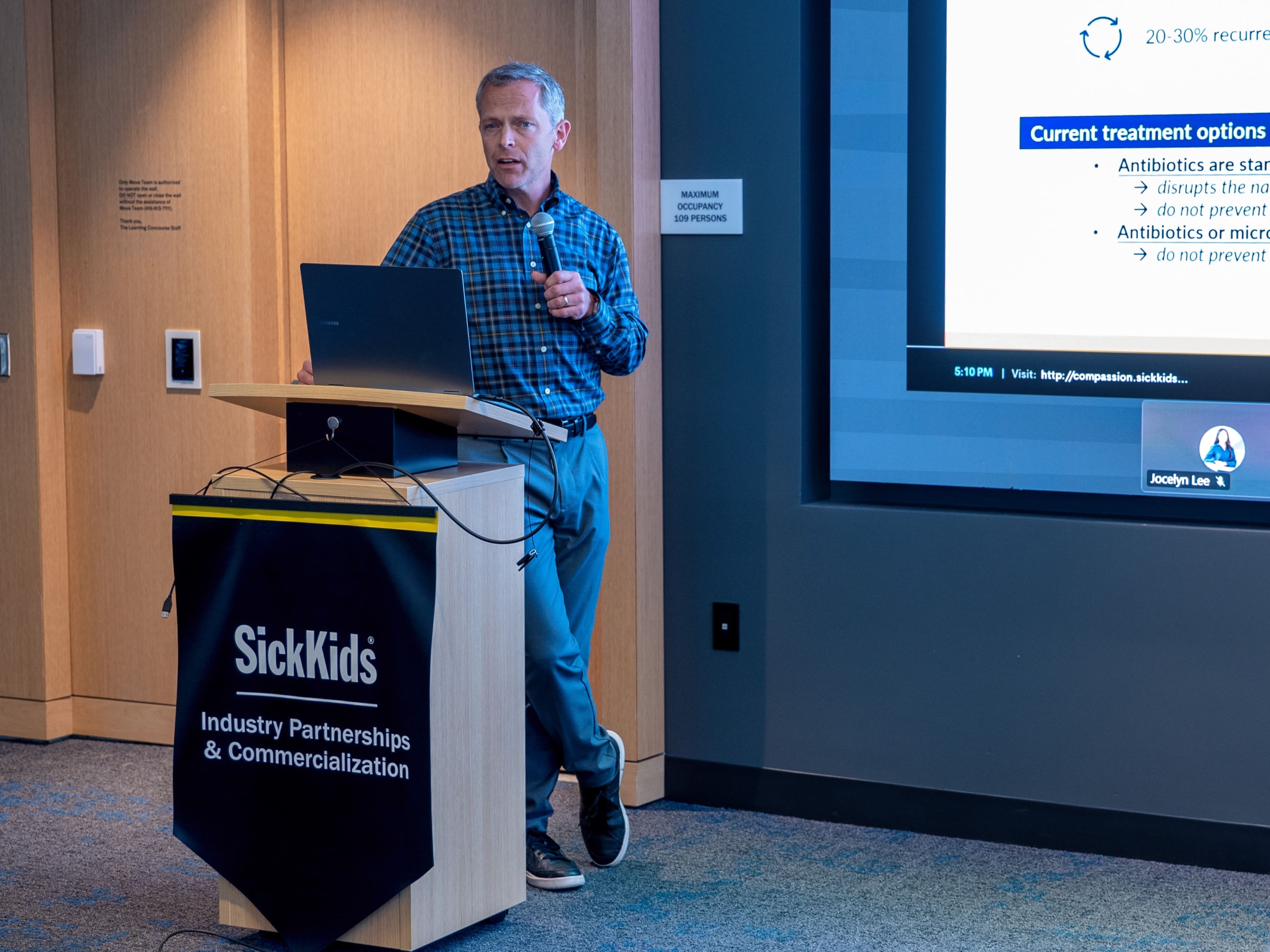
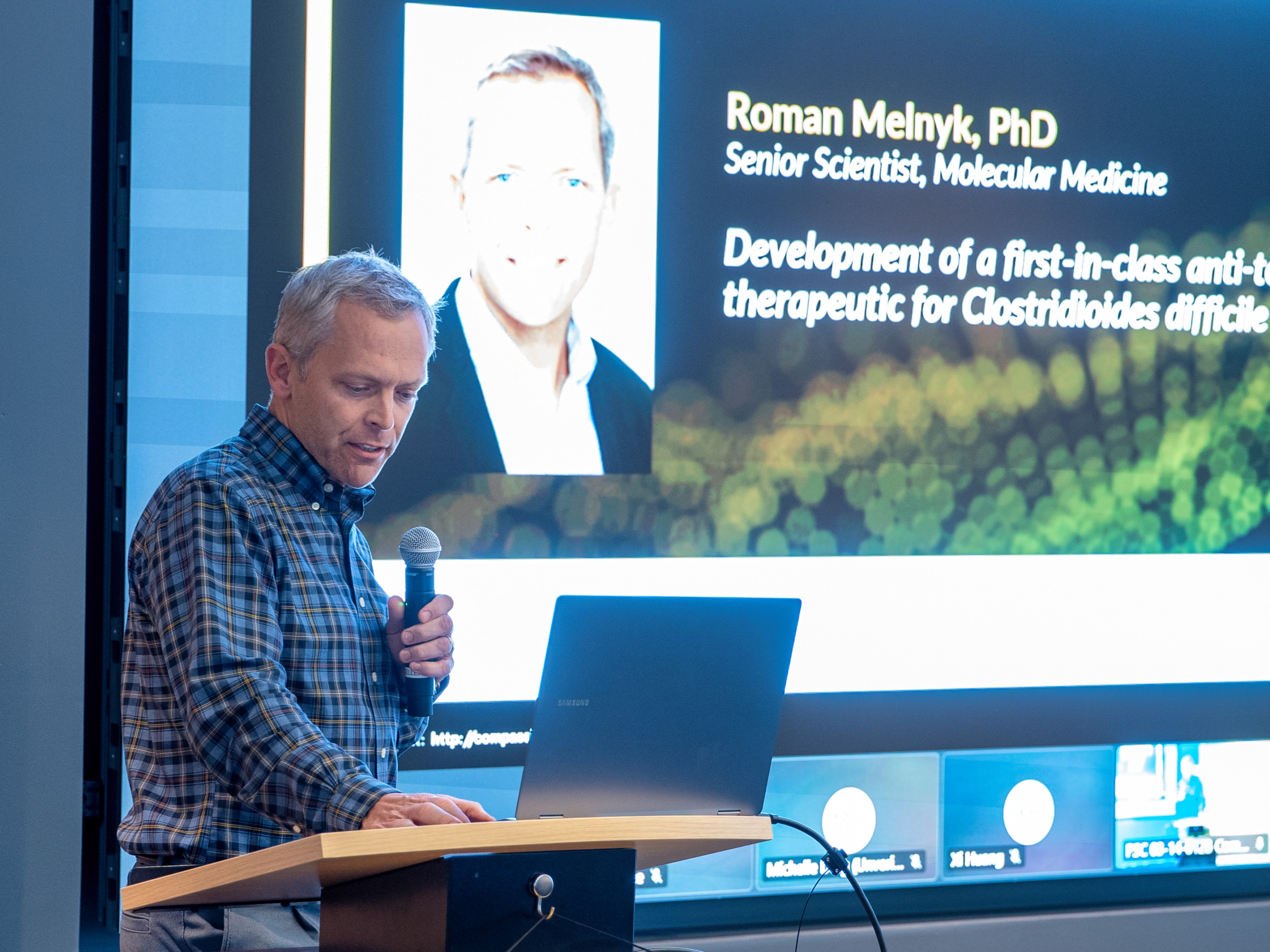
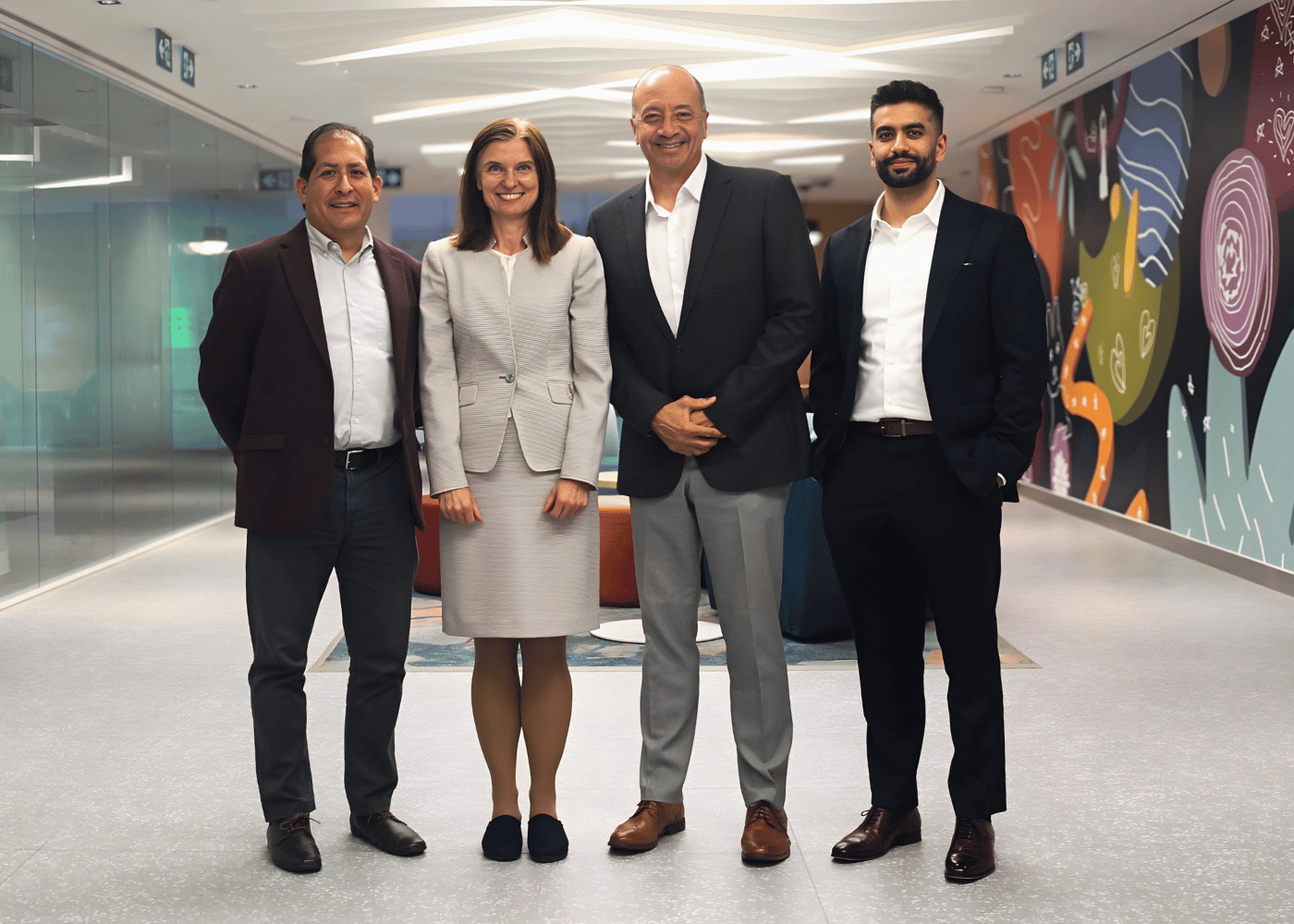
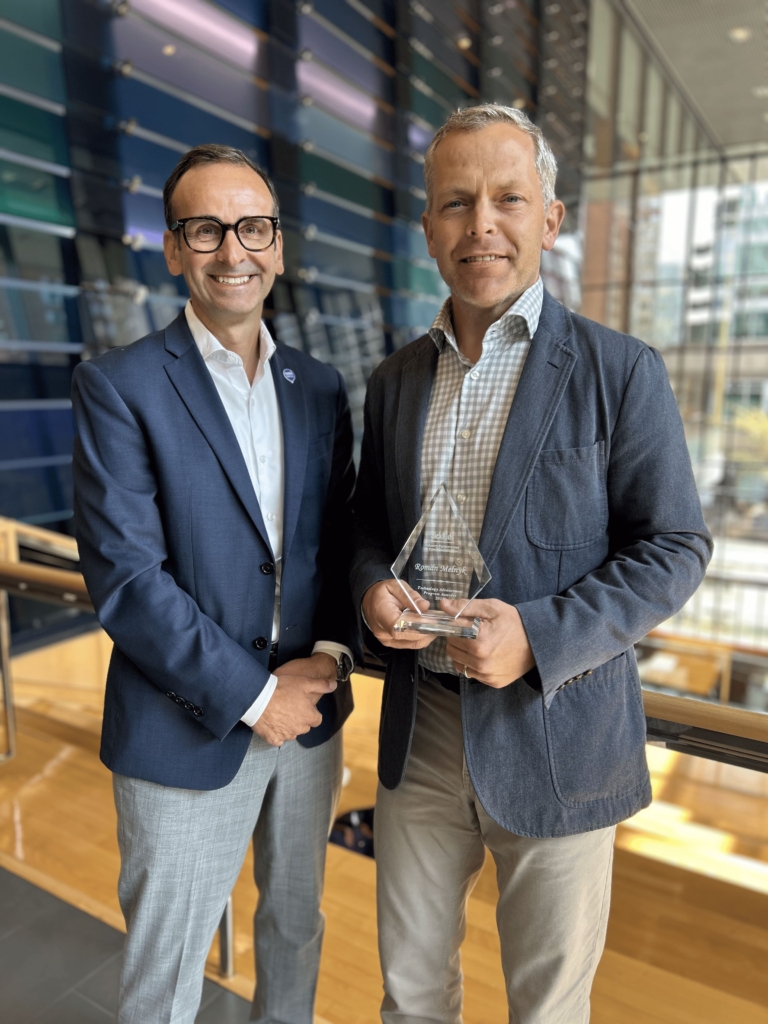
The program culminated on August 20, 2025, with final pitch presentations during which lead investigators showcased the scientific merit, market opportunity, and advancement potential of their innovations. Following thoughtful discussion and deliberation, the SickKids Commercialization Advisory Board (CAB) selected Dr. Roman Melnyk as the 2025 TAP funding recipient for his project aimed at mitigating Clostridioides difficile infections. His work will receive $350,000 in development funding along with continued mentorship to support future commercialization activities.
2025 TAP Funding Recipient: Roman Melnyk
Participating Projects: